

Platform launches with OceanSafe's naNea biodegradable polymer in sewing threads and elastics, with four further materials innovators to be integrated through 2026.
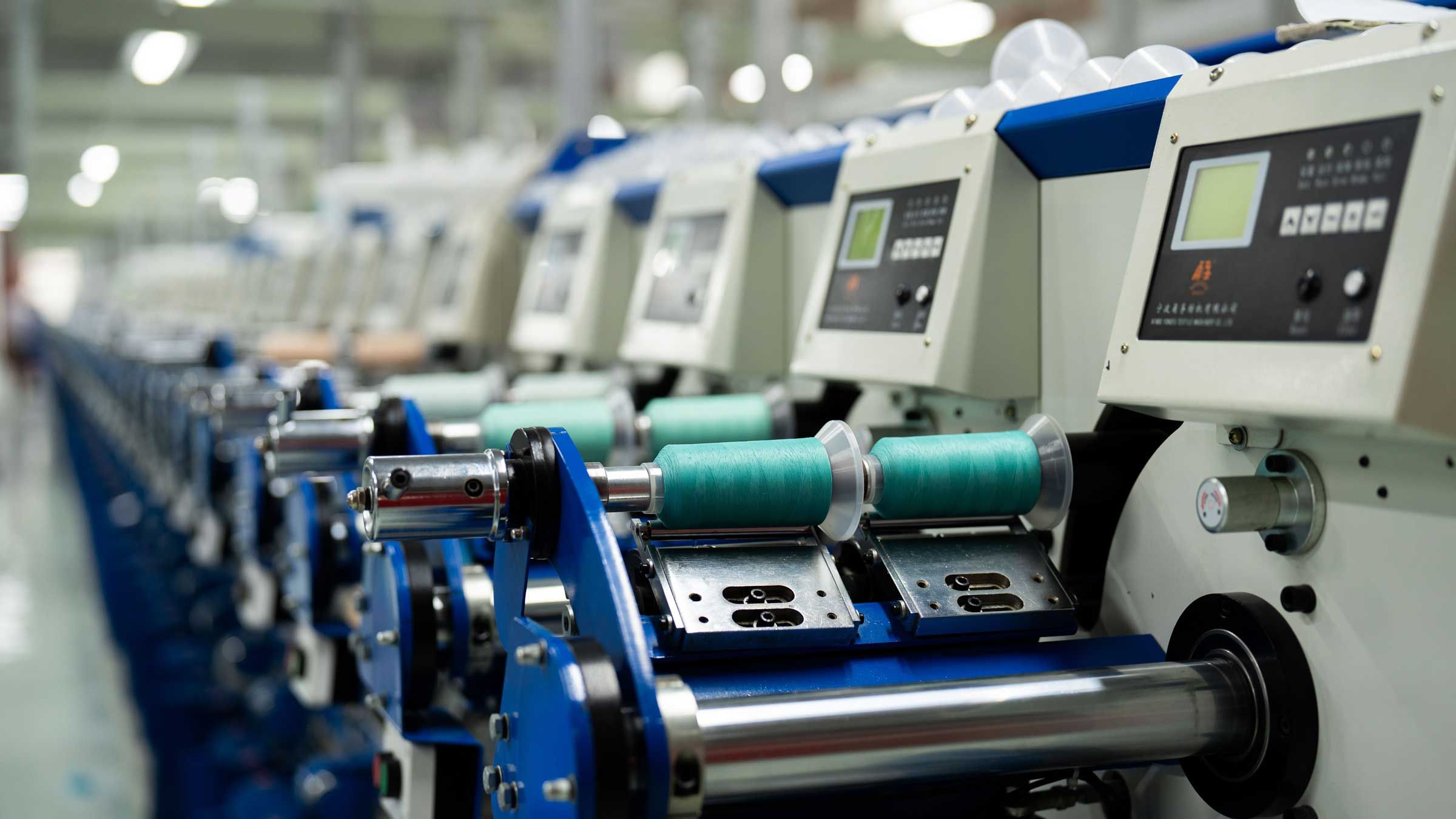
Harnest, a Dhaka-based textile manufacturer, this week launched a trims platform it says will supply recycled and biodegradable sewing threads and elastics to fashion brands at cost parity with conventional options.
Trims - the threads, elastics, buttons and labels that hold a garment together - account for more than 40 per cent of the materials that go into making it. Harnest argues they are also an overlooked barrier to textile recycling, since mismatched polymers (nylon thread in a polyester garment, for example) can contaminate recycling streams and route otherwise recoverable garments to disposal. Fewer than one per cent of global textile materials currently come from recycled fibre.
Recyclability and biodegradability solve different problems. Matching-polymer trims let a garment be recycled without contamination, where the collection and reprocessing system exists to handle it. Biodegradable trims matter in the opposite case, when a garment escapes that system and ends up in the environment.
The first material integrated into the collection is naNea, a polymer developed by Swiss materials company OceanSafe. OceanSafe says it biodegrades by more than 93 per cent within 99 days in marine conditions under ASTM D6691 and leaves no persistent microplastics. The polymer is recyclable alongside PET and holds Cradle to Cradle Certified Material Health Gold. It is available today in sewing threads and elastics.
Four further partners are scheduled for integration through 2026. Ambercycle, BlockTexx, Indorama Ventures and Jiaren will add technologies spanning textile-to-textile recycling, polymer regeneration and biodegradable synthetics, according to Harnest.
"Brands may focus on the main fabric, but the threads, elastics and labels within a garment also influence whether it can be recovered, recycled or redesigned," said Assef Shaikh, CEO of Harnest. The collection, he said, aimed to make responsible trims viable "at scale, and with commercial discipline".
The initiative sits at Tier 2 and Tier 3 of the textile supply chain - the fabric mills and component makers that supply the cut-and-sew factories brands contract with directly - rather than at the brand or finished-product level where most visible circular fashion work takes place. Harnest's vertically integrated operation in Dhaka covers threads, elastics, labels, packaging and specialist yarns, and the company reports closed-loop water processing and zero wastewater discharge across its facilities. Bangladesh is among the world's largest garment-exporting economies, and its manufacturers face growing pressure from international brands and EU regulators on environmental performance.
Pressure on fashion brands to substantiate material claims on textiles is increasing, led by the EU's Ecodesign for Sustainable Products Regulation and the Digital Product Passport requirements that follow it. Both are set to require information on material content and recyclability at product level.


Get our weekly digest
resource.co article ai

How will the government and DMOs address the challenges of including glass in DRS while ensuring a level playing field across the UK?
There's no easy solution to include glass in the DRS while maintaining a level playing field. Potential approaches include a phased introduction of glass, potentially with higher deposits to reflect its logistical challenges. The government and DMOs could incentivise innovation in glass packaging design and subsidise dedicated return points for glass-handling. Exemptions for smaller businesses unable to handle glass might also be necessary. Any successful solution will likely blend several approaches. It must address the differing priorities of devolved administrations, balance environmental benefits with logistical and cost implications, and be supported by robust consumer education campaigns emphasizing the importance of glass recycling.