

Zero Waste Scotland (ZWS) published a report yesterday (25 October) that states the nation’s metal production industry could be rekindled through the promotion of green steel.
Titled ‘How Should Scotland Manage its Scrap Steel?’, the paper details the ‘clear and obvious’ environmental benefits of utilising Electric Arc Furnace (EAF) technology to remanufacture waste steel – infrastructure which would be powered by the country’s low-carbon electricity grid.
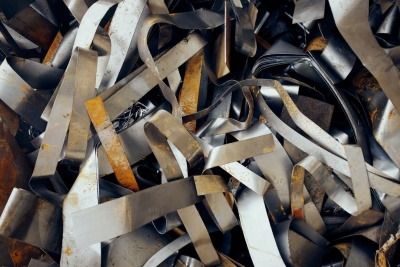
ZWS claims that with the initiative would see carbon savings of 60 per cent of those currently incurred. Scrap steel is, at present, exported to other countries, where the processing required to generate one tonne of steel emits 1.6 tonnes of greenhouse gases (GHGs); moving to EAF-based steel production within Scotland would reduce this rate to 0.64 tonnes, according to the report.
ZWS also claims that the initiative would see the creation of highly skilled green jobs, as well as reducing Scotland’s reliance on overseas imports, embedding resilience in meeting national steel needs now and in the future.
The steel report forms part of a series of papers released by ZWS that look at the circular opportunities for energy transition in Scotland. These opportunities include onshore wind decommissioning and consideration of the future of batteries, with the onshore wind report forecasting that the retirement of turbines will generate one million tonnes of scrap steel by 2050.
Dr Charlotte Stamper, Partner for Energy Infrastructure at ZWS and co-author of the report, commented: “Our findings show that Scotland exports almost 820,000 tonnes of scrap steel per year for re-melting in other countries. In many of those places, they still use methods which require large amounts of coal and the addition of virgin iron ore to operate – and this carries a high carbon cost.
“If Scotland were to instead invest in modern Electric Arc Furnace technology, we could operate these using 100 per cent scrap and power them using Scotland’s low carbon electricity rather than coal. We would also no longer export valuable materials, strengthening Scotland’s resilience by securing domestic steel supply chains are in place to keep Scotland’s economy running in times of global material shortages.
“This move makes sense as part of the underpinning of Scotland’s transition towards a circular economy. By switching to a Scottish-based EAF technology for steel production, we would save 790,000 tonnes of CO2 emissions per year, which is more than 1 per cent of Scotland’s annual global footprint.
“Whilst the establishment of this industry would also bring economic and social benefits, this paper looks first at the environmental case, which is clear and obvious. Simply put, the opportunity is there for the taking.”


Get our weekly digest
resource.co article ai

How will the government and DMOs address the challenges of including glass in DRS while ensuring a level playing field across the UK?
There's no easy solution to include glass in the DRS while maintaining a level playing field. Potential approaches include a phased introduction of glass, potentially with higher deposits to reflect its logistical challenges. The government and DMOs could incentivise innovation in glass packaging design and subsidise dedicated return points for glass-handling. Exemptions for smaller businesses unable to handle glass might also be necessary. Any successful solution will likely blend several approaches. It must address the differing priorities of devolved administrations, balance environmental benefits with logistical and cost implications, and be supported by robust consumer education campaigns emphasizing the importance of glass recycling.