

An AI-led pilot project with Nestle has redistributed more than 200 tonnes of food surplus to charities and community groups, with the technology halving the time taken to assess waste and quadrupling the volume of surplus identified.
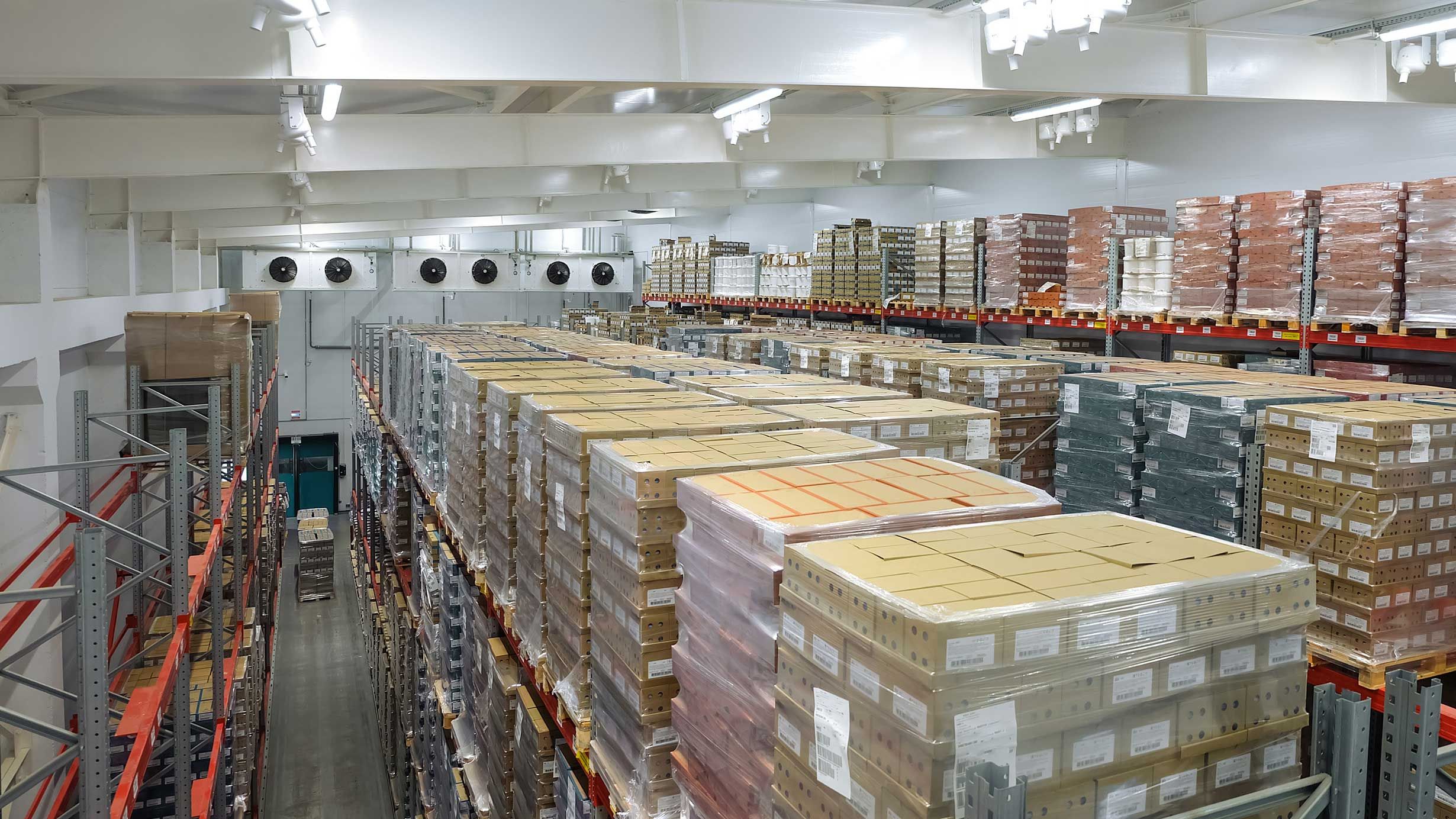
A consortium of food manufacturers, redistribution organisations and technology companies has completed a 16-month pilot using AI to identify and redistribute surplus food from Nestle production lines in the UK, with 201.9 tonnes of edible food reaching people through FareShare’s charity network and Company Shop Group.
The project, funded through a £1.9 million match-funded BridgeAI grant from Innovate UK, used AI tools developed by food waste technology company Zest and built on Google Cloud. Zest’s platform connected data from across the manufacturing process to map where surplus was being generated in real time, then matched it with the capacity and demand of redistribution partners. The equivalent of 480,529 meals reached an estimated 94,133 people across 787 charities and community groups during the trial period.
One of the more specific findings came from a Nestle production line where 4.8 tonnes of edible food that had previously been labeled as suitable only for animal feed was reclassified as suitable for human consumption. This produced a 15-fold increase in revenue from the surplus. In a separate trial with another food manufacturer, Zest’s AI-led assessment process took half the time of the manual equivalent while identifying four times as much redistributable surplus.
The pilot was designed to address a longstanding visibility gap in food manufacturing. Waste and surplus data across production lines tends to sit in separate systems, making it difficult for manufacturers to build a single picture of where losses occur and how they might be prevented or redirected. The consortium used a Nestle manufacturing line to test whether AI could connect those siloed data points quickly enough to act on them.
The nine partners in the consortium were Nestle UK & Ireland, Zest, FareShare, Company Shop Group, Howard Tenens (logistics), Bristol Superlight, FuturePlus, Sustainable Ventures and Google Cloud. Howard Tenens handled the physical movement of surplus from Nestle sites to FareShare’s redistribution network.
Claire Antoniou, head of end to end transformation at Nestle UK & Ireland, said the pilot had “helped us turn data into action, reduce food waste while strengthening our ability to redistribute surplus food to where it’s needed most.”
The 201.9 tonnes redistributed through the pilot sits within a broader upward trend. UK redistribution organisations received approximately 210,000 tonnes of surplus food in 2024, according to the Waste and Resources Action Programme (WRAP), a 27 per cent increase on 2022 levels and the equivalent of 500 million meals. WRAP estimates that a further 110,000 tonnes of post-farm surplus still has potential for redistribution, rising to 470,000 tonnes when on-farm surplus is included.


Get our weekly digest
resource.co article ai

How will the government and DMOs address the challenges of including glass in DRS while ensuring a level playing field across the UK?
There's no easy solution to include glass in the DRS while maintaining a level playing field. Potential approaches include a phased introduction of glass, potentially with higher deposits to reflect its logistical challenges. The government and DMOs could incentivise innovation in glass packaging design and subsidise dedicated return points for glass-handling. Exemptions for smaller businesses unable to handle glass might also be necessary. Any successful solution will likely blend several approaches. It must address the differing priorities of devolved administrations, balance environmental benefits with logistical and cost implications, and be supported by robust consumer education campaigns emphasizing the importance of glass recycling.