

The UK's only pilot-scale electric arc furnace research facility has completed its first heat after a £2.9 million upgrade, as the country's shift to scrap-based steelmaking gathers pace.
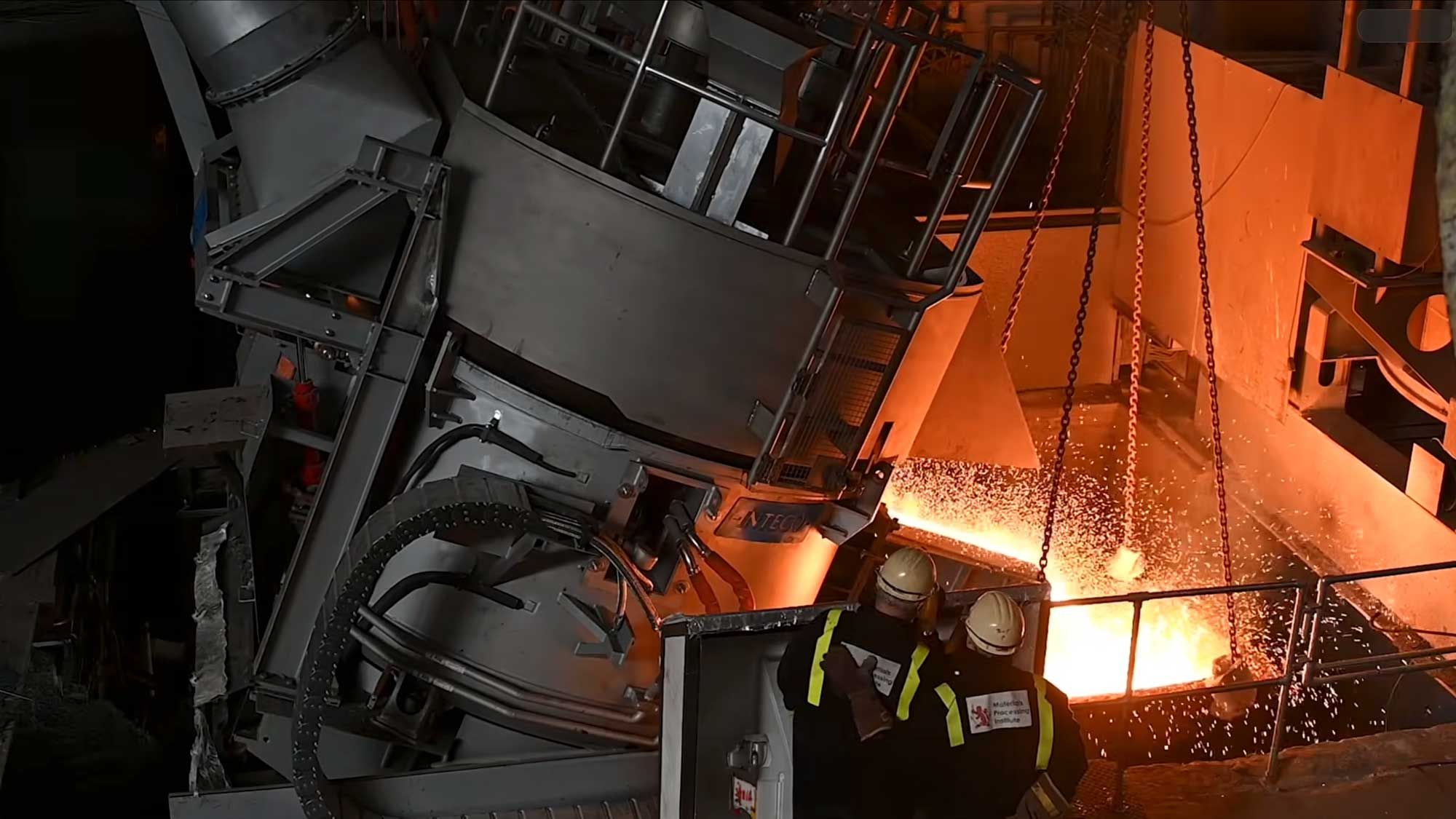
The Materials Processing Institute (MPI) in Middlesbrough has completed the first melt on its upgraded seven-tonne electric arc furnace, charging and tapping four tonnes of steel on 27 March. The institute described the run as a frit melt, a process that bonds the furnace's refractory lining and confirms the equipment is ready for production work.
The new INTECO furnace replaces MPI's previous model and is the result of an 18-month, £2.9 million project funded in part through Innovate UK's EconoMISER programme. MPI operates the furnace as part of its Green Steel Centre and says it is the only facility of its kind in the UK - a pilot-scale electric arc furnace available for independent research.
Tony Parkinson, MPI's Normanton Plant Manager, said: "We've now got project work lined up with the likes of metal recyclers for assay melts and a major project coming forward with a steelmaker where we're going to have to start using the carbon injection and the new material feed hopper."
Why it matters for scrap
Electric arc furnaces work by passing an electrical current through graphite electrodes to create an arc that heats scrap metal to around 1,600°C, melting it into liquid steel. Unlike the blast furnace route, which requires iron ore and coking coal, EAFs run primarily on recycled steel scrap. That difference is at the heart of the UK's green steel transition and has direct implications for the metals recycling sector.
The UK produces roughly 10 million tonnes of steel scrap each year. More than 80 per cent of it is currently exported, much of it returning as finished goods that undercut domestic manufacturers. The transition to EAF steelmaking at Tata Steel's Port Talbot plant and at British Steel's Scunthorpe works will change that picture considerably. Tata's new EAF alone, due to be operational by the end of 2027, is expected to consume up to two million tonnes more scrap than the site uses today.
That rising demand creates commercial opportunity for the UK waste and recycling sector, but it also raises questions about scrap quality. EAFs can process a range of feedstocks including shredded scrap, heavy melting scrap and direct reduced iron. However, contaminants such as copper, tin and lead cannot be removed during the melt. For high-ductility steel grades, total residual elements must stay below 0.2 per cent, which places a premium on well-sorted, clean scrap. A December 2025 report from UK Steel's Circular Steel Sub-Committee called for national quality definitions for scrap, investment in domestic processing infrastructure and energy cost reductions for recyclers.
MPI's upgraded furnace is intended to sit between laboratory testing and full-scale production, allowing steelmakers and recyclers to trial new alloy compositions, alternative feedstocks and different scrap grades without disrupting commercial operations. The new equipment includes a feeder for hot briquetted iron and direct reduced iron, a jet box powder injection system, carbon injection and automated temperature monitoring.
Carbon reduction
EAF steelmaking produces around 0.77 tonnes of CO2 per tonne of steel. The conventional blast furnace-basic oxygen furnace route produces roughly 2.3 tonnes. When EAFs run on 100 per cent scrap, the figure drops further to around 0.3 tonnes per tonne. The UK government has committed £500 million towards Tata Steel's EAF at Port Talbot, and British Steel has announced a £1.25 billion plan to replace two blast furnaces at Scunthorpe with EAF technology.
MPI is a research institute spun out of Tata Steel's Teesside Technology Centre in 2014. It traces its origins to the British Iron and Steel Research Association, established in 1944. Chris Oswin, MPI's chief executive, has described the upgrade as "a major milestone for MPI and for the UK's journey toward commercial-scale low-emission steelmaking."


Get our weekly digest
resource.co article ai

How will the government and DMOs address the challenges of including glass in DRS while ensuring a level playing field across the UK?
There's no easy solution to include glass in the DRS while maintaining a level playing field. Potential approaches include a phased introduction of glass, potentially with higher deposits to reflect its logistical challenges. The government and DMOs could incentivise innovation in glass packaging design and subsidise dedicated return points for glass-handling. Exemptions for smaller businesses unable to handle glass might also be necessary. Any successful solution will likely blend several approaches. It must address the differing priorities of devolved administrations, balance environmental benefits with logistical and cost implications, and be supported by robust consumer education campaigns emphasizing the importance of glass recycling.