

First edition of Zero Waste Scotland’s annual index aims to gauge ‘attitudes, behaviours and barriers in all lifestyle areas relating to a circular economy’.
Findings from the newly launched ‘Circularity Living Tracker’ tracker reveal that 81 per cent of Scottish citizens express concern about the natural environment, with an additional three-quarters expressing apprehension about the impact of climate change on future generations
The prominence of the issue in public consciousness is also reflected by over half of those surveyed aware of the concept of a carbon footprint (55 per cent), and 59 per cent claiming to understand how their daily actions and behaviours affect the environment.
Circular behaviours in Scotland
In efforts to reduce waste, 56 per cent of respondents are actively striving to consume less, and 45 percent are purposefully limiting the purchase of products with excessive packaging.
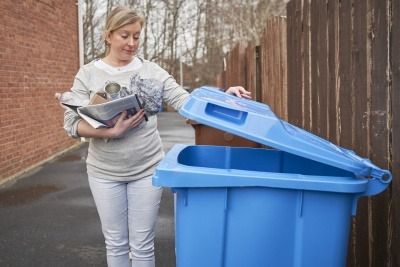
The tracker, which polled 2000 Scottish Citizens, reveals that a majority of the population in the country engages in regular and embedded circular behaviours. This includes practices such as recycling (45 per cent), using reusable bags (48 per cent), and minimising food waste (41 per cent).
Commenting on the findings, Iain Gulland, Chief Executive of ZWS said: “Rethinking our consumption is our greatest tool in the fight against the climate crisis, so it’s fantastic to see people in Scotland doing their part and making more sustainable decisions about what and how they consume."
The tracker also explores barriers hindering adoption of more circular behaviours. These reasons include:
- 'I lack the organisation to shop sustainably' (44 per cent)
- 'I am unsure about which items can be recycled' (38 per cent)
- 'I don't have a car, making recycling inconvenient' (34 per cent)
- 'My council does not provide food waste recycling' (31 per cent)
- 'I am too busy to engage in recycling' (29 per cent)
- 'I am uncertain about how to recycle my food waste' (11 per cent)
Growing the circular economy
In an effort to improve circular behaviours, Zero Waste Scotland has also released an online interactive quiz that it claims will help “empower the public to keep embracing circularity.”
The Circularity Quiz prompts participants to reflect on their consumption patterns and their potential effects on Scotland's carbon footprint. Within the quiz, users will find suggestions and insights to assist them in making positive changes and highlight the work being done to bolster Scotland’s circularity.
There also exists a desire for increased Government intervention. Nearly seven-in-ten (69 per cent) people in Scotland have claimed that they would like to see increased regulation from the Government to assist in tackling climate change.
Zero Waste Scotland claims that ‘The Circular Economy Bill’ – currently progressing through Scottish parliament – will help achieve these calls. The Bill seeks to grant Scotland the authority to foster a shift in consumption patterns, enhance resource utilisation, address waste issues, and promote its well-being economy, strengthening the circular efforts of both citizens and businesses alike.
Gulland added: “The forthcoming Circular Economy Bill and Route Map are aimed at making it easier for us to reduce the impacts of our consumption, something the citizens of Scotland are clearly asking for.
“The time for combined action is now, and according to our Circularity Living Tracker, the people of Scotland are ready and eager to play their part.”


Get our weekly digest
resource.co article ai

How will the government and DMOs address the challenges of including glass in DRS while ensuring a level playing field across the UK?
There's no easy solution to include glass in the DRS while maintaining a level playing field. Potential approaches include a phased introduction of glass, potentially with higher deposits to reflect its logistical challenges. The government and DMOs could incentivise innovation in glass packaging design and subsidise dedicated return points for glass-handling. Exemptions for smaller businesses unable to handle glass might also be necessary. Any successful solution will likely blend several approaches. It must address the differing priorities of devolved administrations, balance environmental benefits with logistical and cost implications, and be supported by robust consumer education campaigns emphasizing the importance of glass recycling.