

A new study by Equanimator and Zero Waste Europe (ZWE) has found that the energy efficiencies of EU waste incinerators are 'appallingly low'. Titled ‘Debunking Efficient Recovery: the Performance of EU Incineration Facilities’, it found that typical efficiencies are around the mid-20s per cent in the best cases. This was especially true for the generation of electricity.
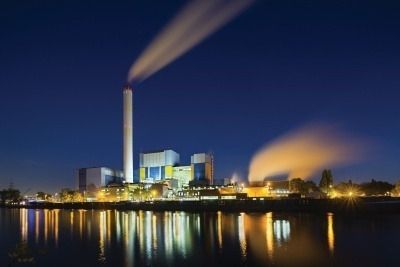
It compares poorly with figures of around 35 per cent for coal-fired electricity generation and 55 per cent for combined cycle gas turbine (CCGT) plants.
Heat generation provided a slightly better efficiency but still not better than domestic gas-fired boilers. The emissions effectively double for both electricity and gas when emissions of non-fossil CO2 from waste incineration are considered.
Due to the low generation efficiency of incineration, greenhouse gas emissions per unit of electricity are almost double those associated with natural gas generation.
The study also suggests that there is no reason to distinguish between disposal (D10) and recovery (R1) incineration. ZWE and Equanimator say the R1 formula is too easily met and can be achieved at efficiencies as low as 16.5 per cent net efficiency.
EU statistics reveal that 98% of municipal waste which is incinerated in the EU is incinerated in facilities classified as ‘recovery’ (R1).
As a result of the findings and in light of the upcoming revision of the Waste Framework Directive, ZWE is calling on the following from the European Commission:
- To remove the R1 formula in Annex II of the Waste Framework Directive so that municipal waste incineration is no longer able to be classified as ‘recovery’;
- To establish a mixed (residual) municipal waste generation target of 100 kgs per capita by 2035, to shift the focus from the disposal of waste to addressing the mixed waste generation in the first place.
Janek Vähk, ZWE’s Climate, Energy, and Air Pollution Programme Coordinator, says: “The report provides evidence that burning waste for energy is a very inefficient process and as such the energy recovery aspect of it is often overemphasised by some stakeholders.
“Moreover, the ongoing decarbonisation makes it increasingly difficult to consider waste as a suitable source of energy, thus the need to recover energy from waste which led to the R1 formula is outdated.“
Dominic Hogg, Director of Equanimator: “The case for distinguishing between ‘recovery’ and ‘disposal’ on grounds of energy efficiency is always questionable. Incinerators are required, by law, to recover heat as far as is practicable, and any meaningful distinction would have excluded a significant proportion of operating facilities.
“Instead, according to EU data, some 98 per cent of all municipal waste incinerated is dealt with at facilities that qualify as ‘recovery’. That suggests the ‘efficiency threshold’ has been designed to be too easily met.
“Given the diminishing benefits from incineration, as energy systems decarbonise, it’s time to dispose of this distinction, and reclassify all incinerators as disposal facilities.”


Get our weekly digest
resource.co article ai

How will the government and DMOs address the challenges of including glass in DRS while ensuring a level playing field across the UK?
There's no easy solution to include glass in the DRS while maintaining a level playing field. Potential approaches include a phased introduction of glass, potentially with higher deposits to reflect its logistical challenges. The government and DMOs could incentivise innovation in glass packaging design and subsidise dedicated return points for glass-handling. Exemptions for smaller businesses unable to handle glass might also be necessary. Any successful solution will likely blend several approaches. It must address the differing priorities of devolved administrations, balance environmental benefits with logistical and cost implications, and be supported by robust consumer education campaigns emphasizing the importance of glass recycling.