

In a report published yesterday (27 January), Zero Waste Europe (ZWE) has identified high levels of persistent organic pollution (POP) contamination in the surrounding areas of waste incineration facilities, warning that those living nearby ‘could be harmed’.
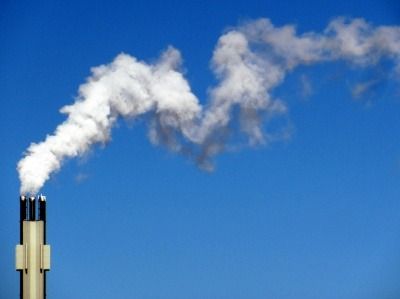
Studying incinerators in three countries – Spain, Czechia, and Lithuania – ZWE’s report, entitled ‘The True Toxic Toll – biomonitoring of waste incineration emissions’, found that contamination levels posed a ‘significant risk to the environment and to the health of people nearby’.
Research was conducted by ToxcioWatch Foundation, using bioassays – an analytical method to determine the concentration of a substance by its effect in living animals, plants, living cells, or tissues – to determine POP contamination levels. The study used biomarker samples, such as eggs of backyard chickens, pine needles, and mosses, in areas around incinerators.
The majority of eggs, ZWE says, exceeded the EU action limits for food safety as regulated in the EU Directive 2013/711/EU, noting that if these eggs were intended for the commercial market, they ‘should have been withdrawn from the market’.
Analysis of vegetation, pine needles, and mosses also shows high levels of dioxins, the report states, adding that ‘people living in the vicinity of incinerators could be harmed’ if they eat vegetables grown in contaminated soil.
The research warns of the impacts of the current incineration strategy on human health, asserting that the strategy is ‘incompatible with the EU’s zero pollution agenda’. It additionally warns of the potential for contamination of the environment with substances such as dioxins (PCDD/F), dioxin-like PCBs, PAHs, and PFAs, the report stating that these are ‘highly harmful’.
Based on the report’s conclusions, ZWE and the research project group ‘strongly recommend’ that biomonitoring research is made mandatory for all existing incineration projects across Europe, as well as the continuous measurement of ‘chlorinated and brominated dioxins’. The group also urges that new waste incinerator projects are put under a moratorium, with phase-out plants to be developed for the existing ones, in favour of ‘healthy, sustainable alternatives to waste incineration’.
Janek Vähk, ZWE’s Climate, Energy, and Air Pollution Programme Coordinator, said: “There is an urgent need to assess the real impact of waste incineration on human health and the environment. People living near waste incinerators need to be reassured about their health risks and the safety of such combustion facilities.”
This follows the group’s recent warning that incinerator bottom ash is ‘insidiously hazardous’, with ZWE identifying ‘at least 15’ public health and safety concerns in relation to the safety of the material’s use.


Get our weekly digest
resource.co article ai

How will the government and DMOs address the challenges of including glass in DRS while ensuring a level playing field across the UK?
There's no easy solution to include glass in the DRS while maintaining a level playing field. Potential approaches include a phased introduction of glass, potentially with higher deposits to reflect its logistical challenges. The government and DMOs could incentivise innovation in glass packaging design and subsidise dedicated return points for glass-handling. Exemptions for smaller businesses unable to handle glass might also be necessary. Any successful solution will likely blend several approaches. It must address the differing priorities of devolved administrations, balance environmental benefits with logistical and cost implications, and be supported by robust consumer education campaigns emphasizing the importance of glass recycling.