

It’s been known for a long time that introducing a separate food waste service reduces overall food waste arising. New research provides an explanation for this phenomenon, as well as highlighting strategies to encourage the householder to go further.
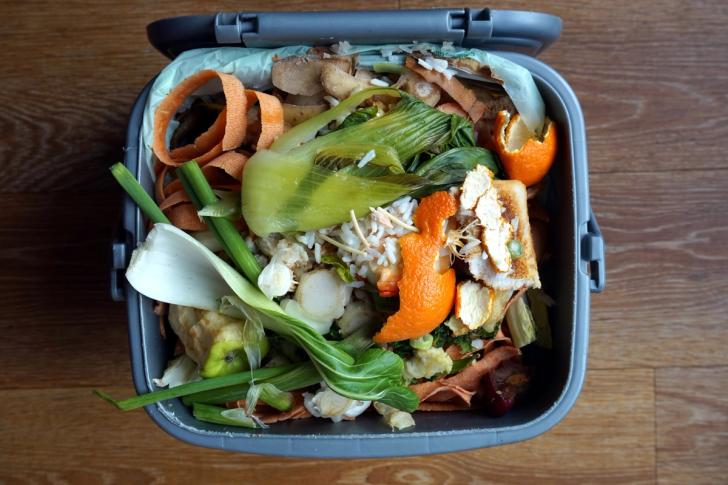
The Waste and Resources Action Programme (WRAP) has released a new study exploring opportunities to reduce food waste when residents have separate food waste collection.
The research, conducted with behavioural consultants SKIM, primarily focused on Wales and England with additional data from Austria for international perspective, reveals potential strategies to drive food waste prevention efforts.
Impact of the food waste caddy
The study found that food waste collection systems serve as visual reminders of waste, increasing mindfulness and conscientiousness about what people are throwing away. However, the researchers noted, this awareness may diminish over time as using the food waste system becomes habitual.
Research participants reported feeling satisfaction from diverting waste from landfill, which reduced feelings of guilt associated with discarded food. Encouragingly, this positive reinforcement did not appear to encourage wasteful behaviour.
The research revealed that the enhanced visibility of food waste prompts people to reconsider their consumption habits, including meal planning and storage techniques.
Key Findings and Opportunities
The study identified several key opportunities to enhance food waste prevention when households receive a separate food waste collection:
- Boosting saliency: The research found that over time, as food waste collection becomes routine, users become less conscious of what they're disposing of. To counter this, WRAP recommends regular communication campaigns or visual cues on caddies to maintain awareness of food waste. This could include stickers with waste reduction tips or reminders about the impact of food waste.
- Habit disruption: To break the automatic behaviour of food waste disposal, the study suggests implementing periodic 'challenges' or community events. These could encourage residents to actively think about their food waste for a set period, helping to re-establish the connection between waste disposal and food management practices.
- Communicating tangible benefits: The research highlighted that people feel positively about diverting waste from landfill, but may not fully understand the broader impacts. WRAP recommends providing regular, localised feedback on the collective impact of food waste recycling. This could include information on how much waste has been diverted from landfill or how the collected waste is being used (e.g., for composting or energy production).
- Addressing the edible waste gap: The study revealed a disconnect between edible food waste and caddy usage. To address this, WRAP suggests targeted education campaigns about what can go in the food waste caddy, emphasising that all food waste - not just inedible scraps - should be included. This could be coupled with tips on how to reduce edible food waste in the first place.
- Leveraging economic concerns: In light of the cost-of-living crisis, the research indicates that framing food waste reduction in terms of financial savings could be particularly effective. WRAP recommends developing communications that clearly link food waste reduction to household budget savings, possibly including specific examples or calculators to help users understand the potential impact on their finances.
The study notes that these interventions should not be implemented in isolation. A multi-faceted approach combining individual actions, education, retail sector changes, community initiatives, and targeted incentives is likely to be most effective in reducing household food waste.
WRAP plans to use these findings to inform future campaigns and policy recommendations aimed at reducing household food waste across the UK and beyond.


Get our weekly digest
resource.co article ai

How will the government and DMOs address the challenges of including glass in DRS while ensuring a level playing field across the UK?
There's no easy solution to include glass in the DRS while maintaining a level playing field. Potential approaches include a phased introduction of glass, potentially with higher deposits to reflect its logistical challenges. The government and DMOs could incentivise innovation in glass packaging design and subsidise dedicated return points for glass-handling. Exemptions for smaller businesses unable to handle glass might also be necessary. Any successful solution will likely blend several approaches. It must address the differing priorities of devolved administrations, balance environmental benefits with logistical and cost implications, and be supported by robust consumer education campaigns emphasizing the importance of glass recycling.