

Collaboration with The Nature Recovery Project will support initiatives to improve water sustainability in fresh food supply chains.
The Waste and Resources Action Programme (WRAP) and conservation charity, The Nature Recovery Project, have announced a £1.14 million investment into the Water Roadmap initiative to support water conservation across the UK’s food supply chain.
The funding will accelerate ongoing collective action projects in areas that provide large amounts of the UK’s fresh food such as South Africa, Kenya, Spain, Peru, and the UK itself over the next four years, while also supporting the expansion of the programme into additional high-risk regions.
This commitment, available as a new grant fund, will provide financial backing for initiatives that focus on bringing water stewardship into supply chains, improving water quality, enhancing soil health, increasing biodiversity, and implementing solutions to retain water in at-risk landscapes.
Explaining the purpose of the investment, Harriet Lamb, CEO of WRAP, said: “We must improve and protect these crucial water catchments through collective action, here and overseas. We are very grateful to the Nature Recovery Project for their invaluable support."
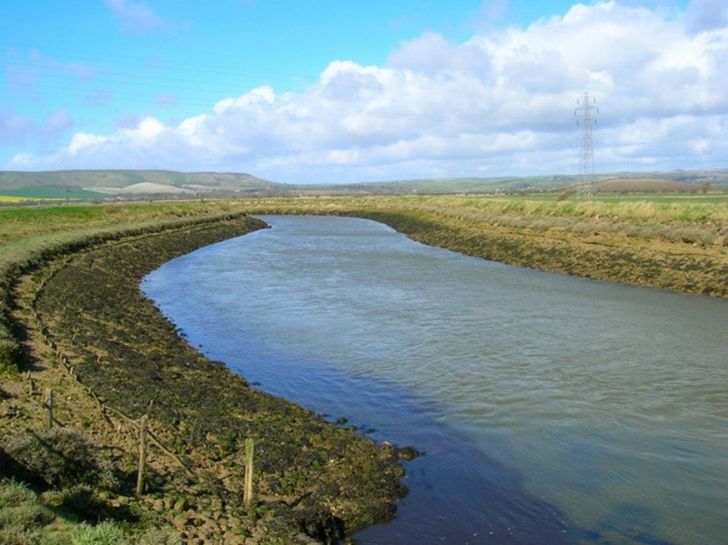
One such project will include restoring chalk streams in the Great Ouse catchment, a waterway that has been degraded by pollution and over-abstraction. Expanding interventions from Norfolk to Bedford, the project hopes to return the high-agricultural landscape to good ecological status and support both food production and water conservation.
Addressing water conservation through WRAP’s Water Roadmap
The Water Roadmap, managed by WRAP under the UK Food and Drink Pact, is a collaborative project designed to improve water sustainability in global agricultural supply chains. The programme aims to ensure that by 2030, at least 50 per cent of the UK’s fresh food and drink will be sourced from regions with sustainable water management practices.
Over 100 businesses and organisations participate in the Roadmap, working to implement nature-based solutions such as planting native trees, restoring wetlands, and using natural groundcover to retain moisture.
James Berry, Head of Strategy Nature Recovery Project, emphasised the importance of these collaborations: “WRAP’s international network, including UK Food and Drink Pact, unites nearly 200 organisations dedicated to sustainability in food production. This partnership will serve as an exemplar for these organisations, demonstrating how collaborative action can be replicated in other regions to accelerate thriving ecosystems and resilient water resources.”
Water scarcity presents a growing challenge for global food supply chains, with agriculture accounting for 70 per cent of total water use.
The Food and Agriculture Organisation (FAO) reports that water use has been growing globally at more than twice the rate of the population, while the United Nations estimates a 40 per cent shortfall in global freshwater supply by 2030.
The UK is particularly vulnerable, with the Environment Agency (EA) warning of severe water shortages in the coming decades. Currently, an estimated 47 per cent of vegetables and 84 per cent of fruit consumed in the UK are imported, often from regions suffering from chronic drought and water stress.
Berry added: “Water security is the foundation of sustainable agriculture and ecosystem health. As part of our mission to restore nature and regenerate landscapes, TNRP is proud to support WRAP’s Water Roadmap, an initiative that directly addresses critical water challenges.”
In January, WRAP EU launched to specifically address food waste issues in the hospitality and food service sector with the International Food Waste Coalition (IFWC).


Get our weekly digest
resource.co article ai

How will the government and DMOs address the challenges of including glass in DRS while ensuring a level playing field across the UK?
There's no easy solution to include glass in the DRS while maintaining a level playing field. Potential approaches include a phased introduction of glass, potentially with higher deposits to reflect its logistical challenges. The government and DMOs could incentivise innovation in glass packaging design and subsidise dedicated return points for glass-handling. Exemptions for smaller businesses unable to handle glass might also be necessary. Any successful solution will likely blend several approaches. It must address the differing priorities of devolved administrations, balance environmental benefits with logistical and cost implications, and be supported by robust consumer education campaigns emphasizing the importance of glass recycling.