

Release of a campaign toolkit for recycling professionals, local authorities, and waste management services to promote nationwide recycling initiative
This week, 14-20 October, marks the 21st year of the UK’s annual Recycle Week.
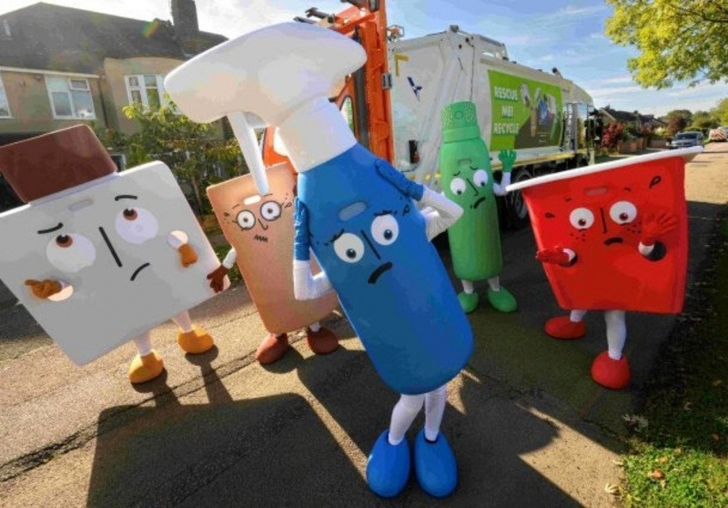
The week began with Recycle Week ambassador JJ Chalmers, WRAP CEO Harriet Lamb and the Recycle Week characters visiting 10 Downing Street to ask the Prime Minister and the public to help rescue more recycling.
Despite 90 per cent of people regularly recycling, WRAP’s data highlights that eight out of ten people still throw away recyclable materials. This year’s Rescue Me - Recycle theme seeks to address this by mobilising recycling professionals, local authorities, and waste management services to incentivise the public to recycle more effectively.
Falling Recycling Rates
The UK’s household waste recycling rates have seen a decline in recent years. In 2022, UK households generated 25.7 million tonnes of waste, with only 44.1 per cent recycled, down from 44.6 per cent in 2021.
WRAP have identified yoghurt pots, cleaning product bottles, aerosol cans, perfume bottles, and toilet roll tubes as some of the most frequently binned items.
Harriet Lamb, WRAP CEO, underlined the urgency of the situation: “We’re a nation of recyclers with 8 out of 10 UK households regularly recycling, but we need to do so much more to rescue items from the main rubbish! Too often we’re putting goods such as deodorant cans, yoghurt pots or cleaning bottles in the rubbish when they can in fact be recycled. The more items we rescue from the main bin, the less goes to landfill and incineration, the more we reduce our impact on the climate.”
Circular Economy Minister, Mary Creagh, added: “With recycling rates falling and over nine billion recyclable items binned annually, we have a huge task ahead to create the zero waste society we all want to see.”
Campaign toolkit
WRAP’s research indicates that three key barriers continue to hinder recycling efforts: confusion about what can be recycled, doubts about whether recycling is impactful, and a lack of adequate recycling services.
To help combat these challenges, WRAP has developed a campaign toolkit for local authorities, businesses, and waste management professionals to improve public engagement and boost recycling rates.
The toolkit includes a range of resources, from social media content and ready-to-go images and GIFS to printable assets like vehicle livery and bin stickers.
It also outlines steps that businesses can take to engage people with the recycling process. As well as using the campaign assets, it suggests sharing stories of products that have been made from recycled materials, featuring case studies of successful recycling initiatives, and showcasing the recycling journey through facility tours and demonstrations.
To enhance public engagement, the Rescue Me campaign introduces characters like Dee Dee the deodorant and Yogi the yoghurt pot, designed to connect emotionally with audiences. These characters are featured across various campaign materials to remind the public of everyday items that can be recycled.
Every Can Counts’ Recycling Week campaign
As part of Recycle Week 2024, Every Can Counts has unveiled a giant art installation in Piccadilly Circus.
The infinity symbol, made from over 1,2000 recycled drink cans, serves as a reminder that aluminium can be recycled over and over again.
The installation will remain in Piccadilly Circus until 16 October, with plans to take it to other locations across the UK in the coming year.
Chris Latham-Warde, Programme Manager for Every Can Counts, said: “As well as being visually impressive, the installation spreads the important message that aluminium can be recycled time and time again – from empty cans being crushed and melted down to solid aluminium, through to life as a brand new drink can ready to be filled, enjoyed, and recycled all over again.
“Every empty drink can could be recycled and back on a shop shelf in as little as 60 days. The people of London can play their part in this process by having a ‘can do’ attitude towards recycling – ensuring all their empty cans end up in the right bin means this valuable material will remain in circulation.”


Get our weekly digest
resource.co article ai

How will the government and DMOs address the challenges of including glass in DRS while ensuring a level playing field across the UK?
There's no easy solution to include glass in the DRS while maintaining a level playing field. Potential approaches include a phased introduction of glass, potentially with higher deposits to reflect its logistical challenges. The government and DMOs could incentivise innovation in glass packaging design and subsidise dedicated return points for glass-handling. Exemptions for smaller businesses unable to handle glass might also be necessary. Any successful solution will likely blend several approaches. It must address the differing priorities of devolved administrations, balance environmental benefits with logistical and cost implications, and be supported by robust consumer education campaigns emphasizing the importance of glass recycling.