

WRAP has ended the ‘Love Your Clothes’ campaign after just over nine years due to ‘a change in funding priorities’ following feedback from its Textiles 2030 Citizen Working Group. The focus of WRAP’s work around textiles shifted to providing businesses and brands with straightforward citizen messaging from 31 March.
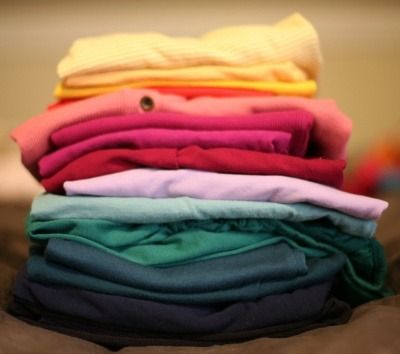
The original campaign, which was started in February 2014, focused on raising awareness of the value of clothes and encouraged people to make the most of the clothes already in their possession. The campaign was developed as part of the Sustainable Clothing Action Plan (SCAP) which ended in 2020.
WRAP says that changes to the way the UK supplies, uses and disposes of clothing could reduce the carbon, water and waste footprints of clothing consumption by 10 to 20 per cent each. It adds that four in five people own at least some clothes that have not been worn because they no longer fit or need altering, with around 30 per cent of clothing in wardrobes having not been worn for at least a year. The UK buys more clothes per person than any other country in Europe with an industry worth £32 billion.
While the Love Your Clothes brand comes to an end, WRAP says that reducing the environmental impact of clothing across the UK and influencing a more circular approach to clothing globally remains key to its mission.
In order to mitigate the damaging effects of the clothing industry, WRAP will now be working with businesses, local authorities and other partners to engage citizens on textiles and how they can buy, use and dispose of their clothing.
WRAP is also working closely with Textiles 2030 signatories, specifically the Citizen Working Group, to develop a citizen messaging campaign. The results of this research are expected to come out within 2023.
‘Love Your Clothes’ campaign
The citizen-facing ‘Love Your Clothes’ campaign was a joint effort between WRAP and other industry stakeholders to help change the way UK consumers bought, used and disposed of their clothing.
Originally funded by Defra, it ran multiple successful campaigns, recruited and engaged hundreds of ‘supercrafters’ nationwide and for many years inspired citizens to love their clothes through repairing, upcycling, swapping items, and buying second-hand.
The campaign called on consumers to see if any of the unworn clothes in their wardrobes could be donated, reused or recycled, as well as encouraging consumers to:
Find out how to reduce their clothing’s environmental footprint (such as by using laundry methods that use less energy, or by repairing worn clothes);
Upload their own tips on how to make the most of any clothes bought; and
Share ideas and advice on what to do with clothes they no longer want or need.
At the time of the campaign’s launch, then-WRAP Chief Executive, Liz Goodwin said: “It’s not just SCAP signatories who have a role to play, UK customers are also key.
“We spend billions on clothes each year that we are not getting the most out of and that’s bad for our wallets and the environment. By working across the lifestyle and mobilising industry and consumer action, we can achieve amazing results.”
Sustainable Clothing Action Plan (SCAP)
WRAP’s Sustainable Clothing Action Plan (SCAP) was a predecessor to Textiles 2030 and was a voluntary initiative aimed at reducing the environmental impact of the clothing and textile industry. It was launched in 2012 and ended in October 2020.
The goal of SCAP was to bring together businesses from across the clothing and textile industry to collaborate and work towards a common goal of reducing the environmental impact of their operations. Participants – such as Tesco, Marks and Spencer, ASOS, Adidas and Primark – committed to a range of targets and goals, including reducing the carbon, water, and waste footprints of their products and operations.
Targets included reducing carbon emissions by 15 per cent, reducing water use by 15 per cent, and reducing waste generated by the clothing and textile industry by 3.5 per cent. In addition, the plan aimed to promote more sustainable design practices, such as reducing the use of virgin materials, increasing the use of recycled materials, and designing products for longevity and recyclability.
The decision to end SCAP was made because WRAP felt the initiative had achieved much of what it had set out to do.
Textiles 2030
Textiles 2030 was developed as a successor to SCAP and is also a UK-based voluntary agreement that aims to drive sustainable change in the fashion and textiles industry. The initiative is supported by major industry players such as Adidas, ASOS, and Marks and Spencer, among others.
The agreement sets out a range of targets and commitments for the fashion and textiles industry to achieve by 2030. These targets cover a range of sustainability issues, including reducing carbon emissions, improving resource efficiency, and reducing waste. The initiative also aims to increase the use of sustainable materials and to promote better working conditions throughout the supply chain.
Some of the key targets of Textiles 2030 include reducing carbon emissions by 50 per cent, achieving a 15 per cent reduction in water use, and achieving a 35 per cent reduction in waste. The initiative also aims to ensure that 50 per cent of all textile products sold in the UK are designed to be recyclable and that at least 70 per cent of all clothing sold is made from sustainable materials.


Get our weekly digest
resource.co article ai

How will the government and DMOs address the challenges of including glass in DRS while ensuring a level playing field across the UK?
There's no easy solution to include glass in the DRS while maintaining a level playing field. Potential approaches include a phased introduction of glass, potentially with higher deposits to reflect its logistical challenges. The government and DMOs could incentivise innovation in glass packaging design and subsidise dedicated return points for glass-handling. Exemptions for smaller businesses unable to handle glass might also be necessary. Any successful solution will likely blend several approaches. It must address the differing priorities of devolved administrations, balance environmental benefits with logistical and cost implications, and be supported by robust consumer education campaigns emphasizing the importance of glass recycling.