

Research suggests that a two-steam or multi-stream approach to household collections and investment in communications will result in higher glass recycling rates.
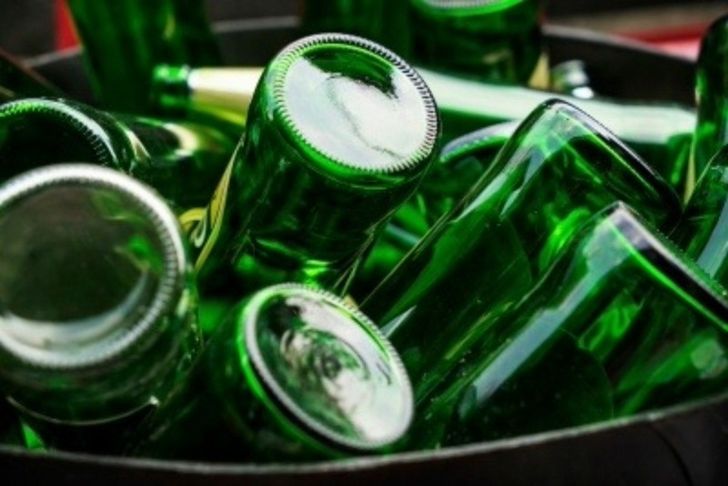
The Waste and Resources Action Programme (WRAP) and British Glass have unveiled a route to achieve a glass recycling capture rate of 90 per cent by 2030.
WRAP’s A Roadmap to Closed Loop Glass Recycling investigated the performance of local authority collection services at kerbside in order to find out how to improve recycling rates for household and business glass waste.
As of 2022, the UK glass recycling rate is just under 75 per cent, three-quarters of which are consumer items such as bottles and remainder jars. Of the 2.6 million tonnes of glass packaging placed on the market each year, around 664,000 tonnes of glass ends up in residual waste.
One of the main barriers identified in the report is the variability in collection methods across the UK. WRAP found that local authorities using co-mingled collection systems had higher levels of contamination and lower-quality recycled material, whereas areas with two-stream or multi-stream services typically achieved higher recycling rates.
Glass collected also tended to be of better quality, which allowed more recycled glass to be remelted back into glass containers.
Another obstacle identified in the report is public confusion about what types of glass can be recycled. Items such as perfume bottles (which 53 per cent of UK citizens disposed of in residual waste), wine glasses, and cookware were frequently disposed of incorrectly.
Report recommendations
To address these challenges, WRAP has released a roadmap from 2023 to 2030 detailing key events and suggestions for each year. Recommendations suggested included:
- Moving away from material co-mingling and towards two- or multi-stream recycling services
- Reducing the frequency and capacity of residual waste collection to incentivise recycling
- Communications campaigns that target glass items with high rates of missed capture, particularly in areas where no kerbside glass collection is currently available
- Increasing business engagement on design for recyclability guidance
The roadmap also highlighted the importance of incoming legislation such as Extended Producer Responsibility (EPR) and the Deposit Return Scheme that will impact how kerbside collection will be handled by local authorities.


Get our weekly digest
resource.co article ai

How will the government and DMOs address the challenges of including glass in DRS while ensuring a level playing field across the UK?
There's no easy solution to include glass in the DRS while maintaining a level playing field. Potential approaches include a phased introduction of glass, potentially with higher deposits to reflect its logistical challenges. The government and DMOs could incentivise innovation in glass packaging design and subsidise dedicated return points for glass-handling. Exemptions for smaller businesses unable to handle glass might also be necessary. Any successful solution will likely blend several approaches. It must address the differing priorities of devolved administrations, balance environmental benefits with logistical and cost implications, and be supported by robust consumer education campaigns emphasizing the importance of glass recycling.