

The Wood Recyclers' Association says the end of Renewables Obligation support from 2027 could force widespread biomass plant closures, removing the UK's largest outlet for waste wood and undermining carbon capture ambitions.
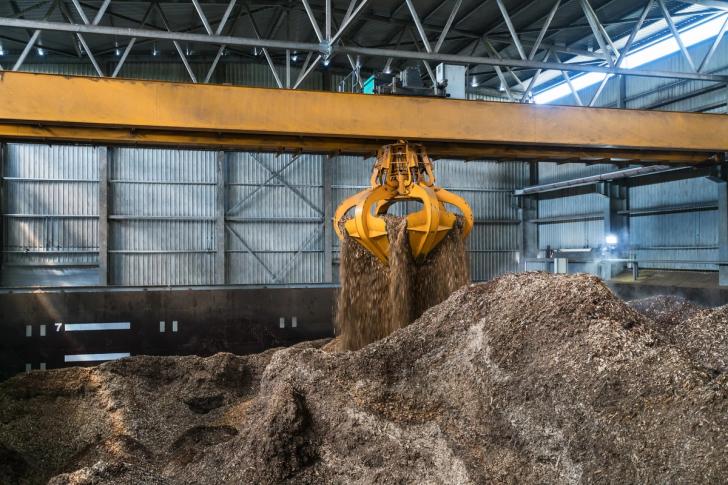
Nearly three million tonnes of waste wood could lose its primary domestic market from next year unless the government introduces transitional support for biomass plants, the Wood Recyclers' Association (WRA) has warned.
The UK generates approximately 4.5 million tonnes of waste wood annually, according to WRA data. The majority of this – close to three million tonnes, including lower-grade material that cannot easily be recycled – is sent to biomass plants for energy recovery. However, financial support for these facilities under the Renewables Obligation (RO) scheme begins to expire from April 2027, and the WRA states that without replacement funding, many plants will be forced to close.
The association, which represents over 125 member companies accounting for more than 90 per cent of UK wood recyclers and reprocessors, says the loss of these outlets would have consequences across the waste wood supply chain, affecting local authorities, waste management companies and wood recyclers. Without continued access to biomass facilities, the WRA warns that operators may have to export waste wood or divert it to landfill.
Existing oversupply
The warning comes against a backdrop of existing market pressure. Since spring 2025, the waste wood sector has experienced what the WRA describes as an unprecedented oversupply, triggered by temporary outages at several major end-use facilities. The Environment Agency issued a new Regulatory Position Statement in December 2025 to allow permitted waste wood sites in England to store volumes above normal limits, in response to growing stockpiles across the country.
Richard Coulson, WRA Biomass Lead, said: "As anyone in the sector knows, temporary issues with offtake have created a huge oversupply of waste wood in recent months. This has put significant pressure on the market, increased disposal costs and already resulted in some wood being sent to landfill.
"However, this situation could just be the tip of the iceberg if the UK's waste wood powered biomass plants are allowed to close from next year, removing an essential, compliant outlet for millions of tonnes of material."
The WRA also points to wider energy implications. According to the association, waste wood biomass plants provide up to 700MW of low-carbon baseload power – enough to supply approximately 1.5 million homes. Losing this capacity would come at a point when the UK is pursuing its clean power ambitions.
Scope for CCS
Beyond waste management and energy generation, the WRA argues that plant closures would undermine the UK's emerging Greenhouse Gas Removals (GGR) sector. The association's member sites have the potential to capture 3.6 million tonnes of carbon emissions per year from the waste wood fraction of fuel alone through Bioenergy with Carbon Capture and Storage (BECCS), according to the WRA.
This role was recognised in the independent review of GGRs, led by Dr Alan Whitehead CBE and published last October, which called for "urgent" consideration of extending support for the waste wood biomass sector following the scheduled end of the RO scheme. This highlighted the sector's dual role in managing waste and its potential to transition to GGRs and recommends extending electricity generation support to allow time for plants to convert to BECCS.
The WRA is calling on the government to introduce time-bound transitional support to bridge the period between 2027 and the mid-2030s, when GGR technology and supporting infrastructure are expected to be available at scale. This could be delivered through a Contracts for Difference-style mechanism, the association suggests, at what it describes as relatively low cost when weighed against the benefits for waste management, grid stability and carbon reduction.
The question of transitional support for the sector has been under discussion for some time. A parliamentary debate on the Renewables Obligation Certificate scheme in March 2025 heard from multiple MPs about the potential impact of the scheme's expiry on biomass plants and the communities they serve.
Coulson added: "We strongly urge ministers to act now and implement the recommendations laid out in the independent review into GGRs and support our sector. 2027 is just around the corner. Government must act now – before it is too late."


Get our weekly digest
resource.co article ai

How will the government and DMOs address the challenges of including glass in DRS while ensuring a level playing field across the UK?
There's no easy solution to include glass in the DRS while maintaining a level playing field. Potential approaches include a phased introduction of glass, potentially with higher deposits to reflect its logistical challenges. The government and DMOs could incentivise innovation in glass packaging design and subsidise dedicated return points for glass-handling. Exemptions for smaller businesses unable to handle glass might also be necessary. Any successful solution will likely blend several approaches. It must address the differing priorities of devolved administrations, balance environmental benefits with logistical and cost implications, and be supported by robust consumer education campaigns emphasizing the importance of glass recycling.