

Wood Recyclers' Association guidance offers comprehensive framework for managing wood dust exposure, filling gap in HSE recommendations
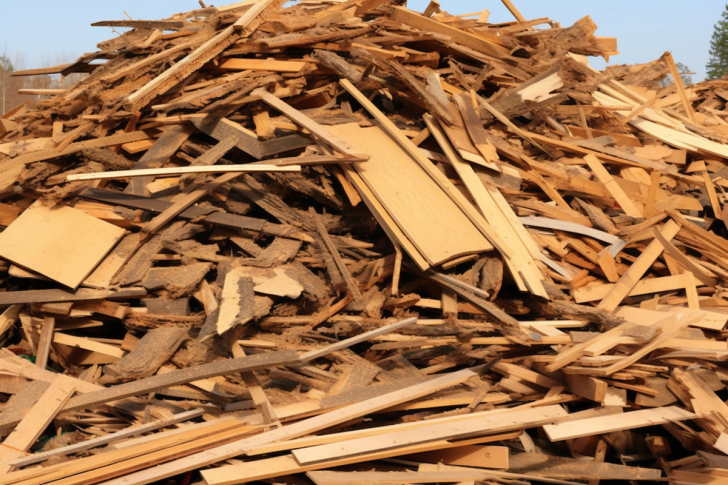
The Wood Recyclers' Association (WRA) has today launched the first best practice guidance on wood dust management specifically tailored for the wood recycling industry. The document, Wood Dust in the Wood Recycling Sector, provides a comprehensive framework for preventing and controlling employee exposure to wood dust on recycling sites.
Endorsed by the Waste Industry Safety and Health Forum (WISH), this guidance represents a step forward in addressing the unique challenges faced by wood recyclers, as current Health and Safety Executive (HSE) wood dust guidance primarily focuses on woodworking and construction sectors.
Addressing unique recycling challenges
The guidance recognises that wood recycling operations face distinct dust management issues compared to other wood-related industries. Jamie Plevin, WRA Board Member and Managing Director at R Plevin & Sons Ltd, who led the project, commented: "We wanted to have a sector-specific guide which recognises the nuances of our industry. This will be a useful tool to ensure everyone in the industry understands their obligations and will also help the HSE to understand our sector better."
Key components of the guidance include:
1. Risk assessment considerations specific to waste wood types and volumes
2. Dust control measures for outdoor recycling areas, including wind speed monitoring
3. Guidance on cleaning and maintaining recycling machinery to minimise dust exposure
4. Recommendations for personal protective equipment suitable for recycling environments
The document addresses the HSE's recommendations on managing exposure to wood dust while providing a framework of measures tailored to the recycling sector. It addresses issues such as Workplace Exposure Limits (WELs), risk assessments, wood dust exposure during waste processing activities, Respiratory Protective Equipment (RPE), and health surveillance of employees.
Chris Jones OBE, Chair of WISH, welcomed the guidance, stating: "This will help employers in the wood recycling sector to ensure they are meeting their legal duties with regards to wood dust and developing safe systems of work."
The guidance emphasises the importance of adhering to the Control of Substances Hazardous to Health Regulations (COSHH), which require employers to protect workers from wood dust hazards. It outlines steps to ensure risks are prevented or adequately controlled, with a focus on reducing employee exposure to As Low As Reasonably Practicable (ALARP).
Julia Turner, Executive Director of the WRA, highlighted the significance of the guidance for the industry: "Health and Safety is paramount in our industry and we hope this guidance will help operators to ensure they are following best practice."


Get our weekly digest
resource.co article ai

How will the government and DMOs address the challenges of including glass in DRS while ensuring a level playing field across the UK?
There's no easy solution to include glass in the DRS while maintaining a level playing field. Potential approaches include a phased introduction of glass, potentially with higher deposits to reflect its logistical challenges. The government and DMOs could incentivise innovation in glass packaging design and subsidise dedicated return points for glass-handling. Exemptions for smaller businesses unable to handle glass might also be necessary. Any successful solution will likely blend several approaches. It must address the differing priorities of devolved administrations, balance environmental benefits with logistical and cost implications, and be supported by robust consumer education campaigns emphasizing the importance of glass recycling.