

A new survey from the National Farmers' Union of England and Wales (NFU) has reported a ‘significant impact’ on the 2022 fruit and vegetable harvest due to workforce shortages.
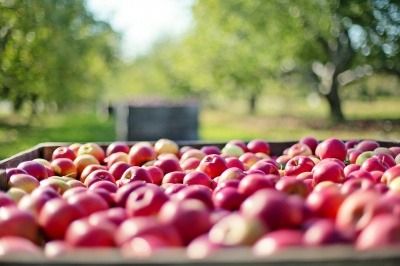
Survey results indicate that £22 million worth of fruit and vegetables has been wasted in the first half of 2022 due to a lack of crop-pickers.
Polling 199 growers across England and Wales – around a third of the UK horticulture sector – the NFU estimates the overall value of food wasted accumulates to more than £60 million.
This detrimental impact on the food and farming sector will result in ‘significant crop losses’ during the ‘worst cost-of-living crisis in generations’.
Overall, the survey showed that:
- 40 per cent of respondents are suffering crop losses as a result of labour shortages
- 56 per cent of respondents reported a fall in production – averaging a 19 per cent reduction across the businesses
- On average for the 2022 season so far, businesses are experiencing worker shortages of 14 per cent (a percentage based on recruitment, not the added effects of early leavers)
- 17 per cent of workers recruited did not turn up
- Nine per cent of workers left their contract early
- Growers expect a further fall in production in 2023 of 4.4 per cent
According to the NFU, 38,000 visas have been made available for the 2022 Seasonal Workers Scheme despite the sector requiring 70,000 workers.
NFU Deputy President Tom Bradshaw said: “It’s nothing short of a travesty that quality, nutritious food is being wasted at a time when families across the country are already struggling to make ends meet because of soaring living costs.
“At the same time, the prolonged dry weather and record temperatures have created a really challenging growing environment for our fruit and veg. Every crop is valuable – to the farm business and to the people whose plates they fill. We simply can’t afford to be leaving food unpicked.
“With the demand on the Seasonal Workers Scheme expected to increase again next year, it’s vital the scheme has the capacity to facilitate the people the sector needs to pick, pack and process the country’s fruit and vegetables.
"This means increasing the number of visas available to meet the sector’s needs and expanding it to a minimum of a five-year rolling scheme to enable growers to have confidence to invest in their businesses – particularly given growth in the horticultural sector is a government ambition set out in the National Food Strategy.
“This survey has demonstrated just how crucial it is for fruit and veg growers to have access to the workforce they need. Expanding the Seasonal Workers Scheme will play a vital role in enabling that access and ensuring we don’t see this devastating level of food waste next year.”


Get our weekly digest
resource.co article ai

How will the government and DMOs address the challenges of including glass in DRS while ensuring a level playing field across the UK?
There's no easy solution to include glass in the DRS while maintaining a level playing field. Potential approaches include a phased introduction of glass, potentially with higher deposits to reflect its logistical challenges. The government and DMOs could incentivise innovation in glass packaging design and subsidise dedicated return points for glass-handling. Exemptions for smaller businesses unable to handle glass might also be necessary. Any successful solution will likely blend several approaches. It must address the differing priorities of devolved administrations, balance environmental benefits with logistical and cost implications, and be supported by robust consumer education campaigns emphasizing the importance of glass recycling.