

Waste and environmental software supplier Whitespace Work Software has further expanded its portfolio of waste collection software with the introduction of a new route optimisation system – Whitespace Route Planning and Optimisation.
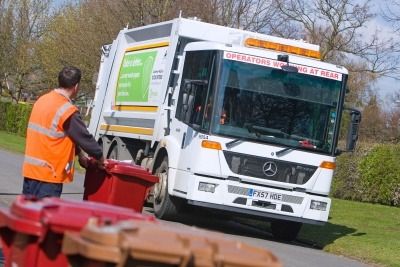
The system displays all household collections on a map and uses complex algorithms to take into account a wide range of variables such as local traffic, narrow roads and schools to calculate the most efficient route.
The software’s ability to model and compare different service routes can solve complex vehicle routing challenges allowing fleet operators to improve their collection teams’ productivity, reduce fuel costs and cut emissions.
It can also play an important role in improving service levels and resident satisfaction.
Commenting on the launch, Whitespace’s Commercial Director, Mike Nicholls, said: “Whitespace Route Planning and Optimisation is an exciting addition to our suite of products.
“Users will be able to benefit from immediate cost savings and improved environmental performance as a result of increased fleet utilisation.
“The level of granularity offered by this easy-to -use system may even enable some customers to reduce the number of vehicles they require or review their fleet procurement plans.”


Get our weekly digest
resource.co article ai

How will the government and DMOs address the challenges of including glass in DRS while ensuring a level playing field across the UK?
There's no easy solution to include glass in the DRS while maintaining a level playing field. Potential approaches include a phased introduction of glass, potentially with higher deposits to reflect its logistical challenges. The government and DMOs could incentivise innovation in glass packaging design and subsidise dedicated return points for glass-handling. Exemptions for smaller businesses unable to handle glass might also be necessary. Any successful solution will likely blend several approaches. It must address the differing priorities of devolved administrations, balance environmental benefits with logistical and cost implications, and be supported by robust consumer education campaigns emphasizing the importance of glass recycling.