

Waste management company Viridor has today (20 May) announced it is set to achieve net negative carbon emissions by 2045.
The company has stated it will do this by removing at least 1.6 megatonnes (MT) of CO2 from its operations per year by 2040.
This aligns with the UK Government’s ambition to achieve net zero carbon emissions by 2050.
Viridor has also committed to becoming the first waste management company in the UK to achieve net zero emissions in its operations.
Kevin Bradshaw, Chief Executive Officer of Viridor, commented: “Tackling the climate crisis requires bold action, and this pledge underlines Viridor’s ambition to drive the UK waste sector on its path to decarbonisation.
“We are committed to doing everything in our power to achieve net zero and net negative emissions, recognising the critical role of carbon capture and storage in the process.
“We know we cannot do this alone, and are committed to working with the Government and industry to drive the policy changes needed to make this technology a reality.
“If we get this right the benefits for our industry, society and economy will be immense, and I am confident that the waste sector can play a vital role in tackling the UK’s carbon emissions."
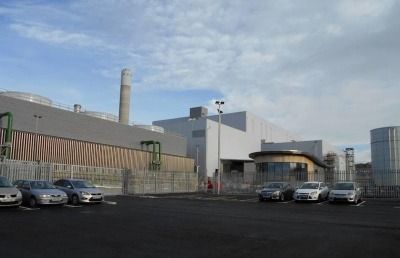
In order to achieve its target, Viridor has announced a partnership with HyNet North West, which will see the development of Carbon Capture, Utilisation and Storage (CCUS) technology at Viridor’s largest site in Runcorn.
The company will also work with the UK Government to boost investment in these CCUS schemes.
Secretary of State for Business and Energy Kwasi Kwarteng said: “It is great to see that Viridor has joined our efforts to tackle climate change.
“We want to position the UK at the forefront of carbon capture, which is why we are investing £1 billion in these technologies.
This alongside Viridor’s plans to invest in carbon capture will help ensure we’re a world-leader in this area, while its ambitions to reduce emissions are significant in helping support our climate commitments and encouraging more people to recycle as we transition to a green economy.”
David Parkin, Director at Progressive Energy and HyNet North West Project Director said: “HyNet North West is a well-advanced, fully-integrated decarbonisation project utilising CCUS and hydrogen infrastructure to tackle CO2 emissions from a range of sectors and industries across the region.
“From 2025, HyNet will unlock a low carbon economy across North West England and North Wales, helping the UK to meet net zero emissions by 2050 and protecting and creating jobs.
“Viridor is a great fit with the existing HyNet project consortium and we are extremely pleased to be supporting the organisation as they strive to become the UK’s first net negative emissions waste company.
“HyNet’s plans are technically advanced and, whilst ambitious, they are deliverable and low cost. Our partnership will open up new routes for industrial decarbonisation, bring further benefits to the North West region and put the UK at the forefront of energy innovation.”


Get our weekly digest
resource.co article ai

How will the government and DMOs address the challenges of including glass in DRS while ensuring a level playing field across the UK?
There's no easy solution to include glass in the DRS while maintaining a level playing field. Potential approaches include a phased introduction of glass, potentially with higher deposits to reflect its logistical challenges. The government and DMOs could incentivise innovation in glass packaging design and subsidise dedicated return points for glass-handling. Exemptions for smaller businesses unable to handle glass might also be necessary. Any successful solution will likely blend several approaches. It must address the differing priorities of devolved administrations, balance environmental benefits with logistical and cost implications, and be supported by robust consumer education campaigns emphasizing the importance of glass recycling.