

Today (25 July), Veolia has announced it will introduce an end-to-end cloud-based system to oversee its UK-based operations.
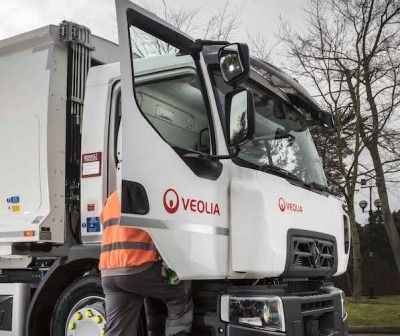
The new system will manage collection, treatment, and disposal of complex waste systems, and aims to ensure flexibility, compliance and traceability for hazardous and non-hazardous waste.
Since the beginning of its trial period last autumn, the system has so far managed 300,000 tonnes of waste processing and allotted 120,000 service appointments across the UK.
Covering 100,000 different waste profiles, the system will also house data relevant to the applicable regulations for each customer, and allow for more efficient waste management and treatment.
To achieve this, the system separates items based on their potential hazards, physical and chemical properties to comply with any local geographical legislation on the classification and storage of waste. Operating on a paperless scheme, the system will generate regulatory documents to demonstrate these measures have been met, bypassing the need for work orders and other print paper forms.
The system is browser-based and supported by operator interfaces, such as Android Atex scanners, which identify waste using 2D barcodes found in transport labels for dangerous goods and in tablet devices held by cab drivers.
This operation is designed to cover the components and concentration, waste description, classification, volume, EWC code (European Waste Catalogue), UN number (codes used to classify hazardous materials) and details of hazardous waste. Since its inception, it now extends to the management of all waste, including clinical waste, and is now linked to weighbridge data (identification of the weight of industrial vehicles).
Stuart Stock, Chief Information Officer at Veolia, said: "By developing this using our in-house waste management experience, we believe the new system now represents a major step forward for managing wastes for our customers. It also demonstrates Veolia's commitment to innovation for the sector, and our drive to use the latest technologies that can enhance our operations.”
“For the first time, users will have an end-to-end system that deals with their wastes compliantly and efficiently, and ensures all regulatory requirements are met. This will help drive recycling rates and further backs the aim of achieving a circular economy, backed by the increasingly automated recycling and treatment infrastructure that is able to capture more resources and do this more effectively."


Get our weekly digest
resource.co article ai

How will the government and DMOs address the challenges of including glass in DRS while ensuring a level playing field across the UK?
There's no easy solution to include glass in the DRS while maintaining a level playing field. Potential approaches include a phased introduction of glass, potentially with higher deposits to reflect its logistical challenges. The government and DMOs could incentivise innovation in glass packaging design and subsidise dedicated return points for glass-handling. Exemptions for smaller businesses unable to handle glass might also be necessary. Any successful solution will likely blend several approaches. It must address the differing priorities of devolved administrations, balance environmental benefits with logistical and cost implications, and be supported by robust consumer education campaigns emphasizing the importance of glass recycling.