

Following successful large-scale trials, Veolia has implemented a new way of treating contaminated green waste, a material typically sent for disposal or re-composting.
The new process saw the waste management company invest £1M in a bespoke fixed cleaning line to remove the contamination from the 30,000 tonnes of compost oversize arising each year across its four sites in the South.
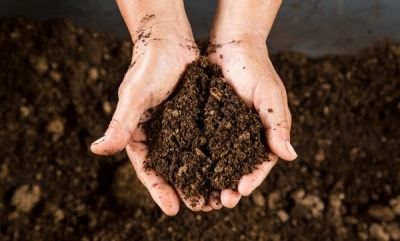
This process results in a clean wood product, such as PAS100 approved mulch for gardening and landscaping, or a renewable biomass fuel for electricity and heating which replaces virgin alternatives such as woodchip and bark.
By removing contamination, the company says, the quality of composts spread to land can be enhanced, and the use of the resulting material can reduce the number of trees cut down for wood products.
The new process additionally boosts the effectiveness of Veolia’s composting sites, the company adds, reducing disposal costs and greenhouse gas emissions significantly.
To date, more than 55,000 tonnes of contaminated compost oversize has been processed in this way, with the company aiming to find alternative uses for all contaminants removed and achieve zero waste to landfill.
Previously, around 25 per cent of the 500,000 tonnes of green and food waste processed by Veolia every year ended up as oversize after composting, as some green waste bins contain physical contaminants such as plastic and metal, mistakenly discarded by customers.
If a site ran out of storage space, or if the oversize was too contaminated to re-circulate, the material would be sent to landfill, incurring financial and environmental costs.
Donald Macphail, Chief Operating Officer of Treatment at Veolia, said: "Composting sites provide the perfect example of a circular economy, and the need to efficiently process this material is likely to increase with the prospect of green waste becoming free to collect and on a more regular basis, as pledged in the government's Resources and Waste Strategy.
"By backing this new innovation we have increased the effectiveness of operations and will provide additional high-quality sustainable wood mulch and renewable fuels. This will help horticulture and renewable energy generation, and is another key step that we are taking to reduce environmental impact and advance towards a lower carbon economy.”


Get our weekly digest
resource.co article ai

How will the government and DMOs address the challenges of including glass in DRS while ensuring a level playing field across the UK?
There's no easy solution to include glass in the DRS while maintaining a level playing field. Potential approaches include a phased introduction of glass, potentially with higher deposits to reflect its logistical challenges. The government and DMOs could incentivise innovation in glass packaging design and subsidise dedicated return points for glass-handling. Exemptions for smaller businesses unable to handle glass might also be necessary. Any successful solution will likely blend several approaches. It must address the differing priorities of devolved administrations, balance environmental benefits with logistical and cost implications, and be supported by robust consumer education campaigns emphasizing the importance of glass recycling.