

Veolia UK and Ireland has today (4 January) announced the opening of its new waste wood processing and recycling site in Cheshire.
The Runcorn Wood Recycling Facility will support the processing and recycling of an additional 50,000 tonnes of waste wood per year, on top of Veolia’s current figure of 410,000 tonnes.
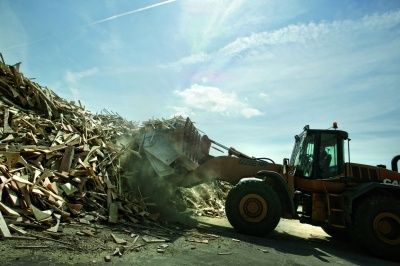
The facility, which will treat waste wood from Merseyside, is expected to reuse up to 80 per cent of the wood it receives, either as flooring, furniture or worktops.
High-grade wood will be processed by the facility and made into feedstock for animal bedding, spillage absorbents, fibre board, filtration systems, packaging and paint filler. Wood with a lower grade will be sent to Veolia’s biomass energy sites and turned into fuel to provide energy and heat.
Gavin Graveson, Executive Vice President of Veolia UK and Ireland, said: "To decarbonise our future and protect our planet we know it is essential to act now.
“We are continually developing our recycling and renewable energy services, and the opening of this new site highlights our commitment to boost sustainability, and cut the financial and environmental costs of wasting these materials.
"By giving this material a new use or transforming it into renewable energy we can cut our carbon emissions, reduce landfill and and help the UK reach its net zero carbon target.”


Get our weekly digest
resource.co article ai

How will the government and DMOs address the challenges of including glass in DRS while ensuring a level playing field across the UK?
There's no easy solution to include glass in the DRS while maintaining a level playing field. Potential approaches include a phased introduction of glass, potentially with higher deposits to reflect its logistical challenges. The government and DMOs could incentivise innovation in glass packaging design and subsidise dedicated return points for glass-handling. Exemptions for smaller businesses unable to handle glass might also be necessary. Any successful solution will likely blend several approaches. It must address the differing priorities of devolved administrations, balance environmental benefits with logistical and cost implications, and be supported by robust consumer education campaigns emphasizing the importance of glass recycling.