

Kingston Council has approved Veolia’s proposal to introduce electric Refuse Collection Vehicles (eRCVs). The collection will be introduced in Kingston this Autumn.
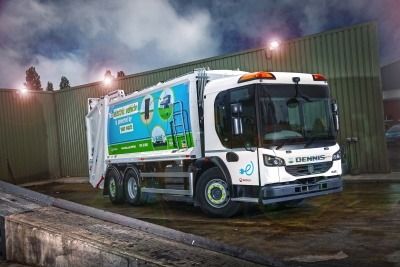
Operated by Veolia, Kingston Council’s recycling and waste collections partner, the electric vehicles will make Kingston’s collection services fully electric for the first time. Veolia states that the lithium-ion powered batteries will cut out CO2 emissions, assisting with the council’s target of net-zero carbon by 2030.
In an announcement, the company added that the Refuse Collection Vehicles will improve noise pollution as well as air pollution because they are quieter than diesel-run engines.
Scott Edgell, South London Waste Partnership General Manager, Veolia, said: “We’re delighted that Kingston Council has approved the decision to introduce electric vehicles to the borough”.
“We’re proud to work with the Council to use the latest technology to improve our environmental footprint and ensure the area becomes cleaner and greener.”
Councillor John Sweeney, Portfolio Holder for Business and Leisure at Kingston Council, added that: “As a council we are committed to providing essential services to residents while limiting the impact we have on the environment”.
“By introducing an electric waste fleet, we’ll help improve the borough's air quality and reduce greenhouse gas emissions significantly”.


Get our weekly digest
resource.co article ai

How will the government and DMOs address the challenges of including glass in DRS while ensuring a level playing field across the UK?
There's no easy solution to include glass in the DRS while maintaining a level playing field. Potential approaches include a phased introduction of glass, potentially with higher deposits to reflect its logistical challenges. The government and DMOs could incentivise innovation in glass packaging design and subsidise dedicated return points for glass-handling. Exemptions for smaller businesses unable to handle glass might also be necessary. Any successful solution will likely blend several approaches. It must address the differing priorities of devolved administrations, balance environmental benefits with logistical and cost implications, and be supported by robust consumer education campaigns emphasizing the importance of glass recycling.