

Compostable product manufacturer Vegware has been recently acquired by Novolex, a subsidiary of NASDAQ-listed The Carlyle Group.
The Vegware brand will remain intact as part of Novolex's Eco-Products portfolio of brands and will continue to sell its products under the Vegware label.
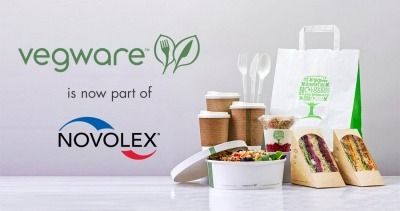
Founded in Edinburgh in 2006 by Joe Frankel, Vegware sources renewable, plant-based materials to manufacture cups, cutlery, tableware and takeaway packaging, designed to be commercially composted with food waste. The addition of Vegware to Novolex’s roster will seek to complement their Eco-Products product line, which markets items made of renewable materials that can often be recycled or composted.
Stan Bikulege, Chairman and CEO of Novolex, commented: “Vegware is an excellent company and its addition to Novolex is an exciting step to growing our global compostable products footprint. We are pleased to welcome the Vegware team to the Novolex family and maintain our momentum of supporting brands that meet society's expectations for sustainable products.”
Joe Frankel, Managing Director of Vegware, said: “Vegware has been committed to quality, performance and design for over 15 years. Joining Novolex, with its exceptional resources and large footprint, will allow Vegware to expand distribution of quality compostable products and waste management initiatives to our customers across the globe.”
Ian Jacobson, President of Novolex’s Eco-Products business, added: “Eco-Products has respected the Vegware brand, products and people for many years. Joining forces with the innovative Vegware team is an exciting next step in our journey.”


Get our weekly digest
resource.co article ai

How will the government and DMOs address the challenges of including glass in DRS while ensuring a level playing field across the UK?
There's no easy solution to include glass in the DRS while maintaining a level playing field. Potential approaches include a phased introduction of glass, potentially with higher deposits to reflect its logistical challenges. The government and DMOs could incentivise innovation in glass packaging design and subsidise dedicated return points for glass-handling. Exemptions for smaller businesses unable to handle glass might also be necessary. Any successful solution will likely blend several approaches. It must address the differing priorities of devolved administrations, balance environmental benefits with logistical and cost implications, and be supported by robust consumer education campaigns emphasizing the importance of glass recycling.