

UK-based plastic reprocessor YS Reclamation has installed a new Vecoplan shredder (model VAZ1700 L6) at their plastic recycling operation in Warrington, UK.
Each day, YS Reclamation processes 27 tonnes of post-consumer LDPE plastic film, turning it into 25 tonnes of high-quality plastic pellets for use in the manufacture of a wide range of plastic products. Shredding is a key part of this process.
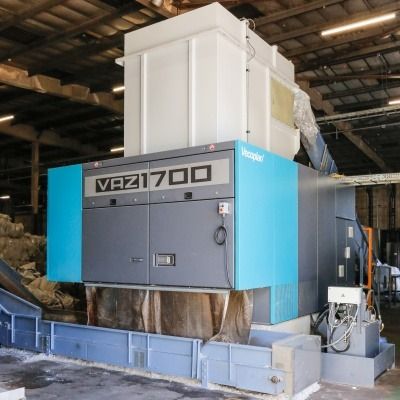
In 2022, YS Reclamation was experiencing issues with the primary shredder at its Warrington plant. The shredder was reportedly unreliable and failed to produce the required quality of shred. During the first 8,000 hours of operation, YS Reclamation had experienced over 1,400 hours of downtime due to mechanical failures and other issues.
Vecoplan - a producer and supplier of recycling technology - assessed the installation and recommended replacing it with a new VAZ1700 shredder.
After YS Reclamation had viewed the VAZ1700 in action at the 2022 K Fair - a major trade fair for plastics and rubber, held in Düsseldorf, Germany - the shredder was shipped to the Warrington site.
The new shredder
The VAZ1700 model is 640m in diameter, weighs approximately 20 tonnes and has a rotor length of 1660mm. The control is mounted on springs on the side of the shredder ‘for easy installation and access’.
According to Vecoplan: “The single-shaft VAZ model is specifically designed for recycling applications. The robust, powerful and energy-efficient design enables the universal use of the high-performance shredders of the VAZ series for a wide range of applications.”
“By adapting the rotor design, the shredder achieves maximum throughput with a homogeneous output, even with challenging materials.”
The Vecoplan shredder also has remote internet access, enabling support to be provided and programmes to be changed online.
‘Dramatic change in performance’
Vecoplan outlines a number of improvements reported by YS Reclamation since installing the new shredder. Primarily, the reprocessing company has seen a significant increase in productivity and product quality of the plastic recycling process.
Due to increased shredding speeds, the new model only has to run around 30% of the time (it stops running when not processing, unlike the original shredder), resulting in energy savings for YS Reclamation.
Additionally, the VAZ17000 produces 40% fewer waste ‘fines’ (small, dust-like particles left behind after the shredding process), leading to reduced contamination and a higher quality final product.
YS Reclamation noted reduced noise and vibration, as well as simpler and quicker replacement of worn parts. For example, the downtime required for changing knives and counter knives has dropped by four hours and five hours, respectively.
Additionally, the company’s engineering team were reportedly ‘impressed’ with Vecoplan’s service response times.
Andy Shelley, YS Reclamation’s Engineering Manager, commented: “Replacing the old shredder with the Vecoplan VAZ1700 has dramatically changed the operating performance of our plant.”
“The new shredder performs exactly as Vecoplan explained. Extended production downtime due to shredder issues is no longer an issue and we are producing a better-quality end product.”
How does plastic recycling work?
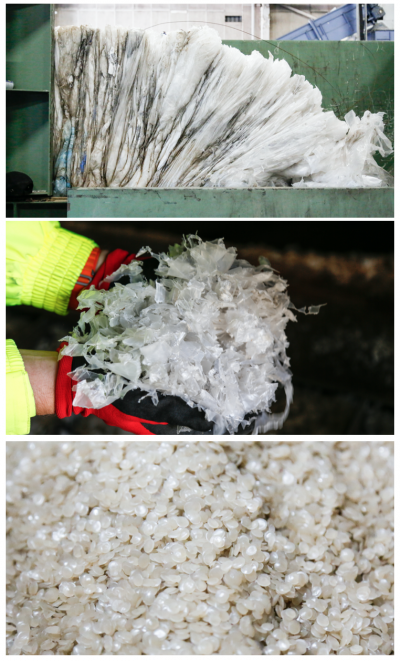
LDPE waste is received by YS Reclamation as baled plastic film. It is assessed and graded at a separate warehouse facility and then again at the Warrington plant.
The film is then passed through a guillotine press and onto a manual sorting line so that any visible contamination (e.g. baling wire or metal) can be removed.
Next, the material is shredded. The resulting <50mm plastic film passes through a washing plant to be cleaned (e.g. ceramic, glass and metal are removed), before being granulated to <10mm.
A hydrocyclone then uses density separation to remove any remaining contaminate material (e.g. PET film and trays).
The material is dried and extruded, forming five grades of plastic pellets which can be used to make new PE film. The waste ‘fines’ are sent to an energy-from-waste plant.


Get our weekly digest
resource.co article ai

How will the government and DMOs address the challenges of including glass in DRS while ensuring a level playing field across the UK?
There's no easy solution to include glass in the DRS while maintaining a level playing field. Potential approaches include a phased introduction of glass, potentially with higher deposits to reflect its logistical challenges. The government and DMOs could incentivise innovation in glass packaging design and subsidise dedicated return points for glass-handling. Exemptions for smaller businesses unable to handle glass might also be necessary. Any successful solution will likely blend several approaches. It must address the differing priorities of devolved administrations, balance environmental benefits with logistical and cost implications, and be supported by robust consumer education campaigns emphasizing the importance of glass recycling.