

Plastics researchers warn that ‘we cannot recycle our way out’ of harmful chemical exposure from common household items such as clothing, bottles, and food packaging.
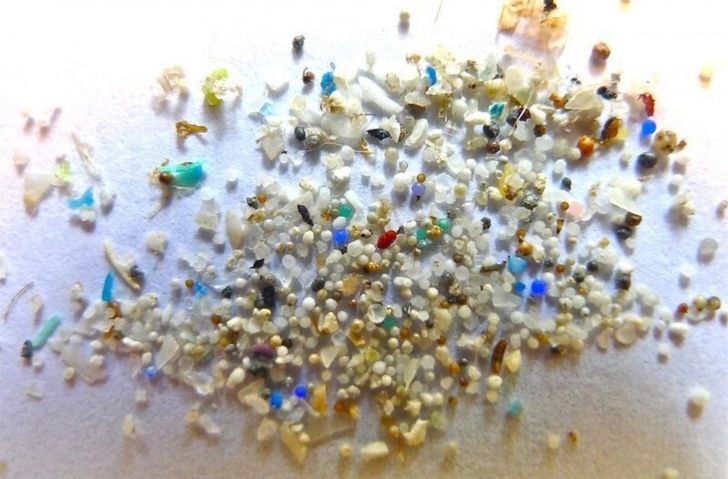
New research reveals that the chemicals found in everyday plastics pose significant risks to human health across all stages of life.
Two recently published studies provide a stark warning of the growing health crisis linked to exposure to plastic chemicals and microplastics, sparking renewed calls for regulatory action against plastics.
Risks of everyday plastics
The study from the Minderoo Foundation, in collaboration with JBI at the University of Adelaide, examined data from 52 systematic reviews, involving over 900 meta-analyses on 1.5 million individuals, including pregnant women, babies, children, and adults to assess the potential health outcomes of household plastics.
The plastic chemicals reviewed in the study included BPA (bisphenol A), phthalates (plasticisers), PCBs (polychlorinated biphenyls) and PBDEs (Polybrominated Diphenyl Ethers), both of which are flame retardants, and PFAS (per- and polyfluoroalkyl substances). These chemicals are used in a large variety of daily items, including food storage containers, cans, water bottles, medical devices, cosmetics, and cookware, and are primarily used in the production of polycarbonate plastics.
Analysis of exposure to these chemicals demonstrated a wide range of health implications, including:
- Before birth: increased miscarriage risk
- At birth: weight, genital development, and appearance abnormalities
- In children: neurodevelopmental issues, obesity, blood pressure, asthma and bronchitis, and early puberty in girls
- In adults: endometriosis, sperm concentration and quality, type 2 diabetes and insulin resistance, thyroid function, polycystic ovary syndrome (PCOS), obesity, cardiovascular disease, hypertension, and cancer
Assoc. Professor Edoardo Aromataris, Director Synthesis Science at JBI, suggested that the results of the review are clear: “None of the plastic-associated chemicals examined in the umbrella review can be considered safe, with multiple harmful health effects linked to each chemical class.”
Microplastics found in the nose and brain
The second study, conducted by the University of São Paulo and supported by Plastic Soup Foundation, found plastic fibres and particles in eight out of fifteen samples taken from the brains of deceased São Paulo residents. The microplastics were found in the nose and the olfactory bulb at the bottom of the brain, which researchers believe to be a likely entry site for external particles to the brain.
The research suggests that indoor environments could be a major source of plastic in the brain, with the most common plastic found was polypropylene, typically used for clothing, food packaging, and bottles.
It also identified the presence of microplastics with a diameter of 10 microns, suggesting that the level of smaller nanoplastics which pass into the human body more easily is even greater.
Professor Thais Mauad, lead researcher from the University of São Paulo, explained: “This study finds that the olfactory pathway is a potential major entry route for plastic into the brain, meaning that breathing within indoor environments could be a major source of plastic pollution in the brain.
“With much smaller nanoplastics entering the body with greater ease, the total level of plastic particles may be much higher. What is worrying is the capacity of such particles to be internalised by cells and alter how our bodies function.”
Calls for regulation
The new findings strengthen the call for domestic and international efforts to regulate plastics. Particular focus is on the ongoing negotiation of a UN Global Plastics Treaty, with talks set to continue at INC-5 in Busan, South Korea, in November.
The Minderoo Foundation has recommended that the treaty includes global bans on the use of harmful chemicals in production and the implementation of a polymer premium on plastic production.
Discussing the Global Plastics Treaty, Minderoo Foundation Director, Jay Weatherill, said: “The Global Plastics Treaty could provide a regulatory framework to protect human health from the impact of these chemicals. When faced with similar discoveries from other chemicals, including mercury, the world has come together and agreed a framework to protect human health. This is the chance for countries to do the same and protect the health of their citizens by agreeing a list of chemicals to be included in the treaty.”
Opposition to the Global Plastics Treaty from petrochemical lobbyists have left previous INC talks on plastic pollution policies with little progress, but hope for the November negotiations remains.
On the opposition to the treaty, Weatherill added: “They argue that reducing consumer demand and recycling are sufficient responses to this crisis. This is a fallacy. We cannot recycle our way out.”
Maria Westerbos, founder of the Plastic Soup Foundation and co-founder of the Plastic Health Council, commented: “The international community is only months away from the final Global Plastics Treaty negotiations, and yet policymakers are giving into the petrochemical giants. The international community cannot waste any more time, they must finally listen to science, once and for all.”


Get our weekly digest
resource.co article ai

How will the government and DMOs address the challenges of including glass in DRS while ensuring a level playing field across the UK?
There's no easy solution to include glass in the DRS while maintaining a level playing field. Potential approaches include a phased introduction of glass, potentially with higher deposits to reflect its logistical challenges. The government and DMOs could incentivise innovation in glass packaging design and subsidise dedicated return points for glass-handling. Exemptions for smaller businesses unable to handle glass might also be necessary. Any successful solution will likely blend several approaches. It must address the differing priorities of devolved administrations, balance environmental benefits with logistical and cost implications, and be supported by robust consumer education campaigns emphasizing the importance of glass recycling.