

The University of Birmingham has licensed the rights to its new ‘supercritical water’ technology to engineering firm Stopford. The new process will decompose mixed complex plastics, converting them into ‘value-added materials’ for use as feedstock for the plastics industry.
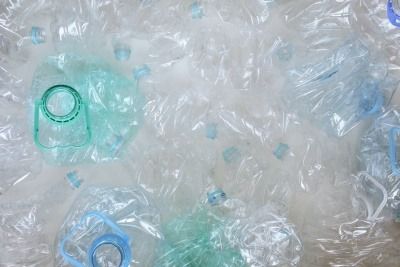
Above the critical point of 374.5ºC and 220 bars (217 atmospheres), water is described as ‘supercritical’, where its gas-like properties allow it to break down complex waste plastics.
The new process, developed by Dr Bushra Al-Duri of University of Birmingham’s School of Chemical Engineering, creates less emissions than current recycling methods, containing fewer processing steps and producing no solvent residues.
Dr Al-Duri commented: “Supercritical water technology represents the next generation for treatment and recycling of ‘stubborn’, complex, and hazardous waste that is currently treated by incineration or sent to landfill. I am looking forward to working with Stopford on the scientific and operational challenges involved in bringing this technology to market.”
Following the acquisition, Stopford will utilise ‘supercritical water’ technology in its development of ‘CircuPlast’, a new hydro-thermal process converting non-recyclable plastics into high-value chemicals for use in new plastics. Using ‘supercritical water’ over fossil fuel-derived solvents, the technology aims to provide a sustainable alternative to traditional materials used within the plastics industry.
Dr Ben Herbert, Stopford’s Technology & Innovation Director, said: “This agreement enables Stopford to fast-track the development of the ‘CircuPlast’ technology to meet the plastics management and sustainability requirements of multiple industry sectors.”
David Coleman, CEO of University Birmingham Enterprise, added: “The growth of plastics production has long outstripped the capacity for recycling, with the UK alone producing over 2 million tonnes of plastic packaging waste each year, of which just over half is recycled. We are delighted the university is working with Stopford to deliver a viable way of recycling much more plastic packaging that will help meet sustainability goals.”


Get our weekly digest
resource.co article ai

How will the government and DMOs address the challenges of including glass in DRS while ensuring a level playing field across the UK?
There's no easy solution to include glass in the DRS while maintaining a level playing field. Potential approaches include a phased introduction of glass, potentially with higher deposits to reflect its logistical challenges. The government and DMOs could incentivise innovation in glass packaging design and subsidise dedicated return points for glass-handling. Exemptions for smaller businesses unable to handle glass might also be necessary. Any successful solution will likely blend several approaches. It must address the differing priorities of devolved administrations, balance environmental benefits with logistical and cost implications, and be supported by robust consumer education campaigns emphasizing the importance of glass recycling.