

The compliance provider formerly known as REPIC broadens service portfolio to help producers navigate evolving environmental regulations and circular economy requirements
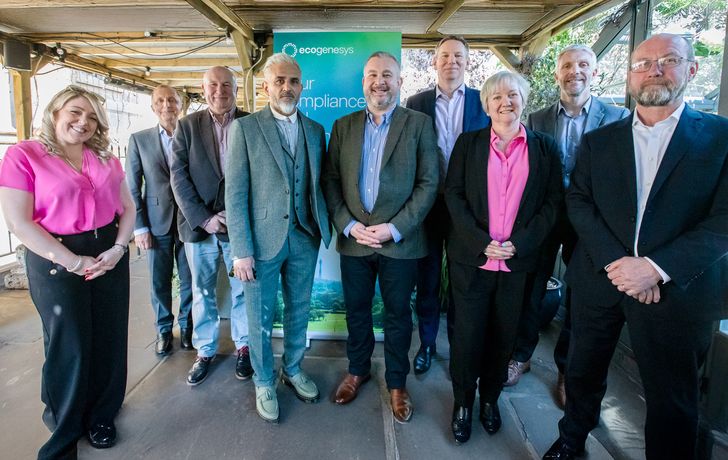
REPIC, the UK’s largest Waste Electrical and Electronic Equipment (WEEE) producer compliance scheme, has rebranded as Ecogenesys and announced an expansion of its services to include sustainability consultancy.
The organisation will continue delivering compliance services for WEEE, batteries and packaging while adding environmental research, carbon solutions, packaging consulting and product returns services, according to an announcement made this week.
Abs Bokhari, Executive Chairman of Ecogenesys, said: “Ecogenesys isn’t just a new name – it’s a renewed commitment to being the trusted partner for businesses looking to navigate the future of compliance with confidence.”
The rebrand comes after two decades of operation as REPIC. The organisation states the new name combines concepts of environmental protection (‘eco’), innovation (‘genesis’) and comprehensive services (‘system’).
Graeme Milne, Chief Executive of Ecogenesys, said: “Our transition to Ecogenesys comes as we increase the services we offer to our members, helping them to fulfil their evolving environmental responsibilities. This evolution aligns with the shifting needs of our producer members, allowing us to support them in a broader range of areas; navigating an increasingly complex sustainability landscape.”
Producer responsibility
The rebranding coincides with ongoing developments in UK producer responsibility regulations, which place obligations on manufacturers and importers for the entire lifecycle of products including end-of-life management.
Established in 2004, the organisation operates as a not-for-profit, member-owned compliance scheme primarily serving producers of Electrical and Electronic Equipment (EEE). This structure means members pay only for actual compliance costs while having input into operational decisions.
The organisation has been involved in policy discussions around producer responsibility in both UK and European contexts. Its expansion of services comes as environmental compliance requirements grow more complex across packaging, electronics, batteries and end-of-life vehicles sectors.
Shifting compliance landscape
The evolution from pure compliance services to a wider range of sustainability services reflects changes in the regulatory environment for producers, with businesses facing demands to demonstrate environmental performance beyond basic compliance.
The enhanced service offering is designed to address this changing landscape, providing guidance on issues including carbon management and product returns systems that extend beyond traditional compliance areas.
Ecogenesys will continue to operate its core business as an approved compliance scheme while developing these additional service lines to support member organisations with their broader environmental strategies.


Get our weekly digest
resource.co article ai

How will the government and DMOs address the challenges of including glass in DRS while ensuring a level playing field across the UK?
There's no easy solution to include glass in the DRS while maintaining a level playing field. Potential approaches include a phased introduction of glass, potentially with higher deposits to reflect its logistical challenges. The government and DMOs could incentivise innovation in glass packaging design and subsidise dedicated return points for glass-handling. Exemptions for smaller businesses unable to handle glass might also be necessary. Any successful solution will likely blend several approaches. It must address the differing priorities of devolved administrations, balance environmental benefits with logistical and cost implications, and be supported by robust consumer education campaigns emphasizing the importance of glass recycling.