

UK Research and Innovation (UKRI) has today (12 September) introduced a £1.5 million refillable packaging competition for liquid food and beverages. The competition, part of the Smart Sustainable Plastic Packaging (SSPP) Challenge, will be managed by Innovate UK.
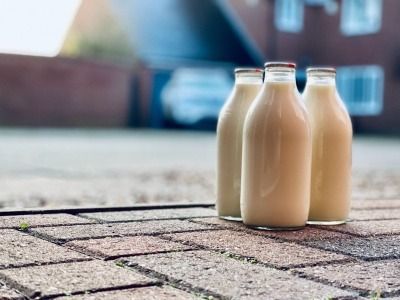
UKRI says its goal is to drive the adoption of reusable and refillable packaging by retailers, brands and consumers.
To participate, the business-led projects should demonstrate in-store refill systems for high-volume liquid products like dairy and non-dairy milks, juices, alcohol, soft drinks, and condiments. Each project needs the backing of a large retail chain or brand and must conduct in-store trials in at least five stores for a duration of six months.
The competition runs until October 25 2023 and full details of the scope and application process, as well as registration for the competition briefing webinar and details of further Innovate UK support for applicants, are available online.
Paul Davidson, SSPP Challenge Director, commented: “Supporting reuse and refill is critical to reducing single-use plastic packaging.
“For this competition, we are looking for bold and ambitious innovation proposals that can help to bring refill into the mainstream for everyday liquid products such as milk, soft drinks and sauces. It is about making it easy, convenient and cost-effective for consumers, retailers and the retail supply chain.”
The wider SSPP Challenge, backed by £60 million of funding, aims to develop sustainable plastic packaging solutions. It's the UK government's most significant investment in this area so far, and refillability is a main focus.


Get our weekly digest
resource.co article ai

How will the government and DMOs address the challenges of including glass in DRS while ensuring a level playing field across the UK?
There's no easy solution to include glass in the DRS while maintaining a level playing field. Potential approaches include a phased introduction of glass, potentially with higher deposits to reflect its logistical challenges. The government and DMOs could incentivise innovation in glass packaging design and subsidise dedicated return points for glass-handling. Exemptions for smaller businesses unable to handle glass might also be necessary. Any successful solution will likely blend several approaches. It must address the differing priorities of devolved administrations, balance environmental benefits with logistical and cost implications, and be supported by robust consumer education campaigns emphasizing the importance of glass recycling.