

UK Research and Innovation’s (UKRI) Smart Sustainable Plastic Packaging (SSPP) Challenge recently announced £30 million in funding for 18 projects that support the UK Plastics Pact and aim to alter the UK’s relationship with, and management of, plastic packaging.
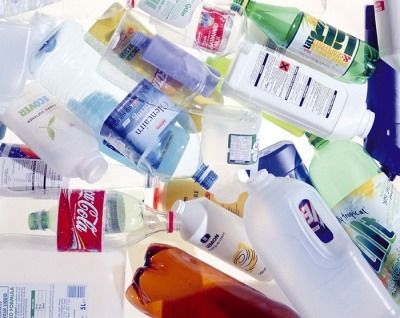
The SSPP invests in sustainable plastic packaging and waste management projects, with the results of its two recent funding competitions seeing the backing of five large-scale demonstrator projects and 13 business-led research and development projects.
The successful large scale demonstrator projects are focused on three packaging challenges – reuse and refill, food-grade polypropylene recycling, and films and flexible packaging recycling. The winning projects were named as – CLEANSTREAM Technology, Uncaptured Unrecycled Plastics, Impact Recycling Ltd, Return Refill Repeat, and Unpackaged Systems Ltd.
The 13 successful research and development projects cover a selection of concepts to improve plastic packaging sustainability and support greater recycling, from novel separation, sorting and decontamination technologies to RFID and AI technologies to trace reusable food-grade plastic packaging, and new recycling-friendly coating and barrier materials. Amongst the winners are Xampla, Recycleye, and TIPA CORP UK.
Paul Davidson, Challenge Director for UKRI’s SSPP Challenge, said: “The key to the design and development of this funding competition, along with fostering cross-supply chain collaboration, is to encourage and support ambition at a scale that matches the size of the plastic packaging problem. If successful, these projects have the potential to rewrite the relationship we all have with plastic packaging.”


Get our weekly digest
resource.co article ai

How will the government and DMOs address the challenges of including glass in DRS while ensuring a level playing field across the UK?
There's no easy solution to include glass in the DRS while maintaining a level playing field. Potential approaches include a phased introduction of glass, potentially with higher deposits to reflect its logistical challenges. The government and DMOs could incentivise innovation in glass packaging design and subsidise dedicated return points for glass-handling. Exemptions for smaller businesses unable to handle glass might also be necessary. Any successful solution will likely blend several approaches. It must address the differing priorities of devolved administrations, balance environmental benefits with logistical and cost implications, and be supported by robust consumer education campaigns emphasizing the importance of glass recycling.