

Independent review led by Dr Alan Whitehead CBE identifies substantial greenhouse gas removal potential across waste-to-energy, anaerobic digestion and biochar pathways, whilst calling for transitional support to enable sector transitions to carbon capture technologies.
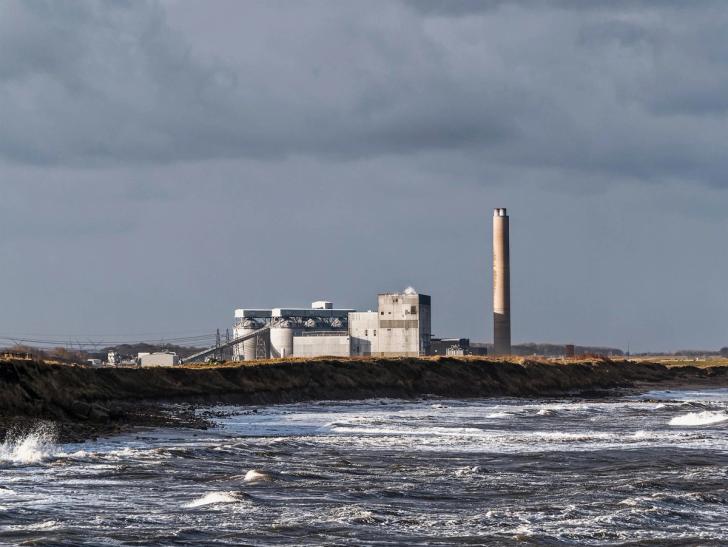
An independent government review has positioned domestic waste streams as a strategic asset for achieving the UK's net zero targets, identifying substantial potential for greenhouse gas removals across three key waste-based technologies.
The review, led by Dr Alan Whitehead, provides detailed assessment of waste-to-energy with carbon capture and storage, anaerobic digestion, and biochar production from waste feedstocks, driven by a core recommendation to minimise the UK's reliance on imported biomass.
Analysis cited in the document indicates that retrofitting existing energy from waste plants close to planned CO2 storage clusters could achieve 6.3 million tonnes of CO2 removals per year, with maximum potential rising to 11 million tonnes annually if all suitable plants in the UK were retrofitted.
The Wood Recyclers' Association has welcomed the findings, particularly the review's call for urgent transitional support for waste wood biomass plants ahead of subsidy scheme expiry from 2027.
Richard Coulson, chair of the WRA's biomass advocacy group, said: "The message in the review is clear – if the government is serious about greenhouse gas removals and effective waste management, then it must look at providing transitional support for the waste wood biomass sector and fast-track non-pipeline transport solutions."
Three waste-based pathways identified
The review positions waste-to-energy with carbon capture and storage as an essential waste management service for non-recyclable municipal solid waste. The technology captures and permanently stores CO2 that originates from the biogenic portion of waste, including food, paper and card, which constitute around 50 per cent of municipal solid waste.
Recent pilot projects have demonstrated the feasibility of carbon capture at energy from waste facilities. Enfinium launched the UK's first carbon capture pilot at an energy from waste facility in September 2024, commencing a 12-month trial at its Ferrybridge-1 site in West Yorkshire.
Anaerobic digestion (AD) is presented as a mature and highly efficient technology for processing wet waste feedstocks such as food waste, animal manures and slurries. The review notes a significant discrepancy between official government estimates of AD's potential and industry figures suggesting potential output as high as 120 terawatt-hours, providing a net CO2e emissions reduction of 30 million tonnes per year.
A major policy risk identified is the scheduled closure of the primary support mechanism, the Green Gas Support Scheme, to new applicants in March 2028. The review calls for new policies to provide clear routes to market for new AD capacity, specifically linking the captured CO2 to greenhouse gas removal support models.
The review finds that the UK has a substantial amount of waste material – between 13 and 25 million tonnes each year from sources like waste wood, agricultural leftovers, and food scraps – that is available to be converted into biochar. However, a major legal problem is holding back this process. Because the raw materials are officially defined as "waste," the final biochar product is also regulated under outdated waste laws,which creates obstacles for potential producers.
Waste wood biomass support urgency
The review highlights the urgent need for improved collaboration between government departments at Defra and the Department for Energy Security and Net Zero, calling for Defra to take a lead in determining the future of waste wood biomass plants due to its responsibility for waste management.
The Renewables Obligation Certificate scheme, which provides financial support to renewable electricity generators including biomass plants, begins expiring for early accredited generators from 2027, with all subsidies concluding by 2037 (https://www.gov.uk/government/publications/renewables-obligation-level-c...).
The review advocates the extension of subsidies for biomass power plants that currently receive financial subsidies but do not yet capture their carbon emissions. This support is scheduled to end, but may require ongoing support to provide a financial bridge to keep these plants operating long enough for them to be able to install carbon capture technology.
Coulson stated that waste wood biomass plants have the potential to save 3.6 million tonnes a year of CO2 if retrofitted with greenhouse gas removal technologies, making a vital contribution to net zero in addition to delivering renewable, baseload energy and providing an environmental service.
He added: "But this potential can only be unlocked if the government supports the sector to transition to BECCS before it is too late, and these valuable assets are lost."
Non-pipeline transport critical for deployment
The review identifies a major deployment barrier for waste-to-energy with carbon capture: many facilities are geographically dispersed and not located near planned pipeline infrastructure of carbon capture, usage and storage clusters.
Their deployment as greenhouse gas removal assets is therefore highly dependent on the development of a policy framework for non-pipeline transport of CO2.
The government launched a call for evidence on non-pipeline transport methods in May 2024 and has since consulted on a regulatory framework for the UK Emissions Trading Scheme to recognise road, rail and shipping transport of CO2. (https://www.gov.uk/government/consultations/uk-ets-scope-expansion-ccs-n...).
The Department for Energy Security and Net Zero has said it will publish a consultation on non-pipeline transport support in the second half of 2025, covering support for costs, cross-chain risk protections and economic licensing.
Waste hierarchy update proposed
The review's most fundamental policy proposal regarding waste management is to update the waste hierarchy to include a key role for carbon sequestration alongside energy recovery for non-recyclable waste.
The current hierarchy prioritises waste management options but has no formal place for carbon sequestration, meaning that using waste in processes like waste-to-energy with carbon capture is framed only as energy recovery, failing to recognise its climate function.
The review also calls for measures to reduce the amount of plastic going into energy from waste plants, noting that a higher proportion of plastic reduces the total tonnage of waste a plant can process within its thermal limits. Reducing plastic content would allow plants to process a greater volume of municipal solid waste, thereby increasing the amount of biogenic waste processed and maximising greenhouse gas removal potential.


Get our weekly digest
resource.co article ai

How will the government and DMOs address the challenges of including glass in DRS while ensuring a level playing field across the UK?
There's no easy solution to include glass in the DRS while maintaining a level playing field. Potential approaches include a phased introduction of glass, potentially with higher deposits to reflect its logistical challenges. The government and DMOs could incentivise innovation in glass packaging design and subsidise dedicated return points for glass-handling. Exemptions for smaller businesses unable to handle glass might also be necessary. Any successful solution will likely blend several approaches. It must address the differing priorities of devolved administrations, balance environmental benefits with logistical and cost implications, and be supported by robust consumer education campaigns emphasizing the importance of glass recycling.