

Research commissioned by ReLondon reveals the financial cost of the UK’s throwaway culture as Repair Week 2026 brings hundreds of repair events to cities across the country.
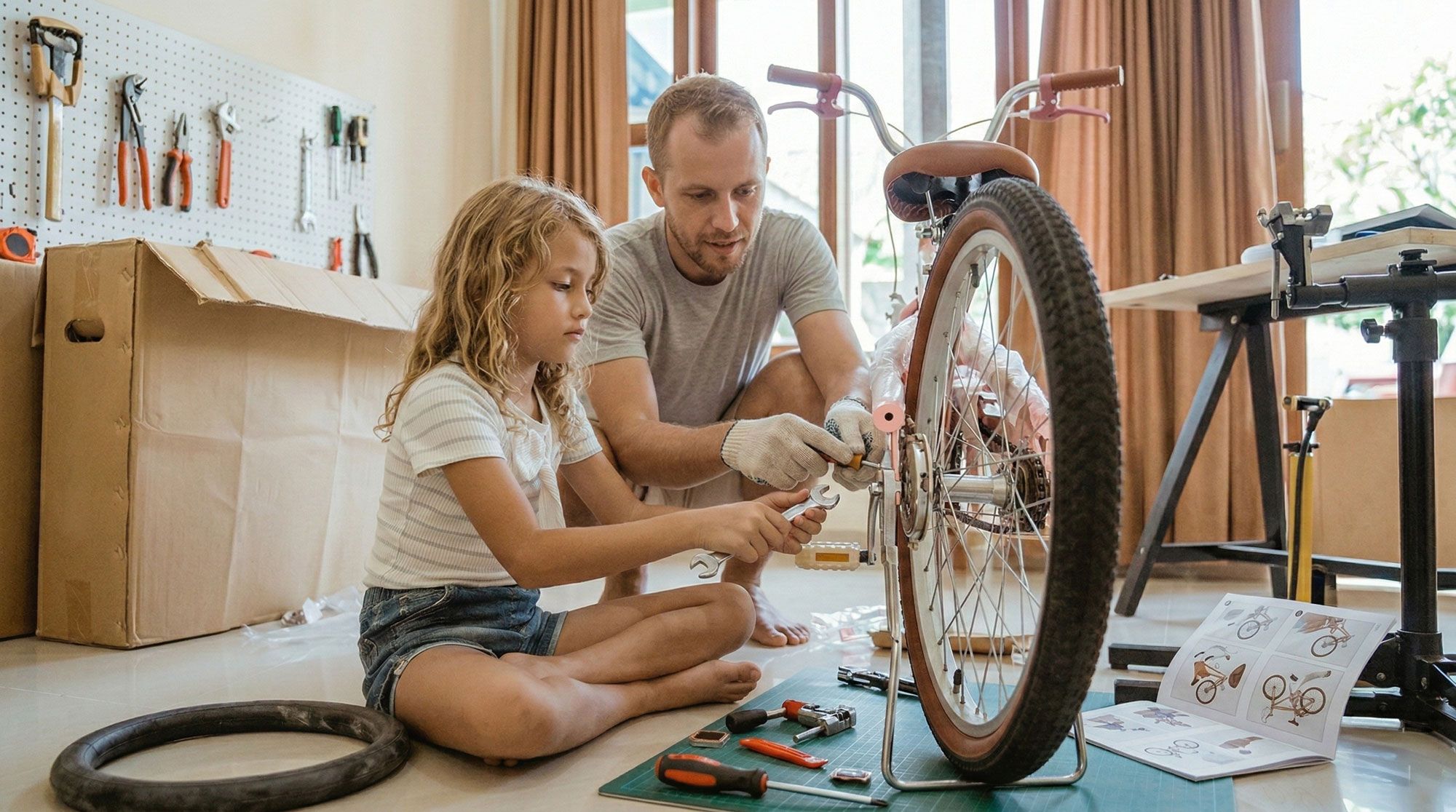
An estimated 335 million repairable items are thrown away each year in the UK, equivalent to six per person, with textiles and electricals the most commonly discarded categories, according to new research commissioned by ReLondon ahead of Repair Week 2026.
The survey, conducted by Censuswide, found that nearly two in three people (64 per cent) say they have spent around £277 a year replacing items they believe could have been repaired. Across the population, that amounts to an estimated £15 billion spent annually on replacements.
Repair Week, which runs from 2 to 8 March, has expanded from its origins as a London-only initiative into a multi-city event, with hundreds of repair events planned across London, Greater Manchester, Liverpool, County Durham, Belfast and Cardiff. Events range from bike maintenance and sewing workshops to phone fixing courses and furniture mending sessions, with classes available for beginners and more experienced repairers alike.
Repair skills and barriers
The research indicates that many people are willing to undertake basic repairs, with 49 per cent saying they would replace a button and 48 per cent prepared to change a plug. Mending clothing and other textiles is among the most commonly attempted repairs, with an estimated 413 million textile repairs carried out across the UK in the past year, according to the survey. A further 66 million plugs were changed and 42 million broken headphone ports were fixed.
For those who do not repair, a lack of skills was the primary barrier identified. Parents remain the most common source of repair knowledge, with 47 per cent of respondents saying they had learned to repair from a family member. Online tutorials and platforms such as TikTok and YouTube accounted for 31 per cent, while 52 per cent of those surveyed said attending a repair workshop would be a good way to learn a new skill and meet new people.
Respondents reported carrying out an average of 14 repairs each over the past year.
“We want to make fixing the norm, which is why we run Repair Week every year, making it easier for people to learn skills and access affordable, professional repair,” said Katie Moriyama, campaign manager for Repair Week.
Expanding reach
First launched in 2020 with 20 events in London, Repair Week is now in its sixth year. For 2026, organisers have introduced the event’s first Scouts badge. Three London-based social enterprises have been named as this year’s Repair Heroes: Make Mee Studio, a Lewisham sewing social enterprise; Community Cycleworks, which focuses on bike repair skills; and Fixing Factory, which runs hands-on electrical repair sessions.
Events confirmed for the week include a kintsugi workshop at Japan House London led by maki-e artist Hakose Junichi, a textile and tent repair workshop at Decathlon, and an introduction to wiring plugs run by Revive_All at the Save The World Club.
The campaign takes place against a backdrop of growing political attention to repair and reuse. A report from the All-Party Parliamentary Group for the Environment, published in June 2025, called for a consumer right to repair as part of a six-step plan intended to inform the UK’s forthcoming Circular Economy Strategy. The report stated that poorly-made products disproportionately affect low-income households, where items have to be replaced repeatedly. The APPG estimated that a circular economy transition could add £25 billion to the UK economy by 2035.
The Reuse Network has separately warned that the number of reusable item donations has fallen since the pandemic, even as demand for affordable furniture and electricals has increased, and has called for greater government support for the reuse sector.
The Censuswide research was based on a sample of 2,000 nationally representative UK respondents aged 18 and over, with data collected between 9 and 12 January 2026.


Get our weekly digest
resource.co article ai

How will the government and DMOs address the challenges of including glass in DRS while ensuring a level playing field across the UK?
There's no easy solution to include glass in the DRS while maintaining a level playing field. Potential approaches include a phased introduction of glass, potentially with higher deposits to reflect its logistical challenges. The government and DMOs could incentivise innovation in glass packaging design and subsidise dedicated return points for glass-handling. Exemptions for smaller businesses unable to handle glass might also be necessary. Any successful solution will likely blend several approaches. It must address the differing priorities of devolved administrations, balance environmental benefits with logistical and cost implications, and be supported by robust consumer education campaigns emphasizing the importance of glass recycling.