

White paper calls for ring-fencing of EPR revenues for reprocessing infrastructure as analysis reveals UK has lost more than 200,000 tonnes of plastic packaging processing capacity since 2024.
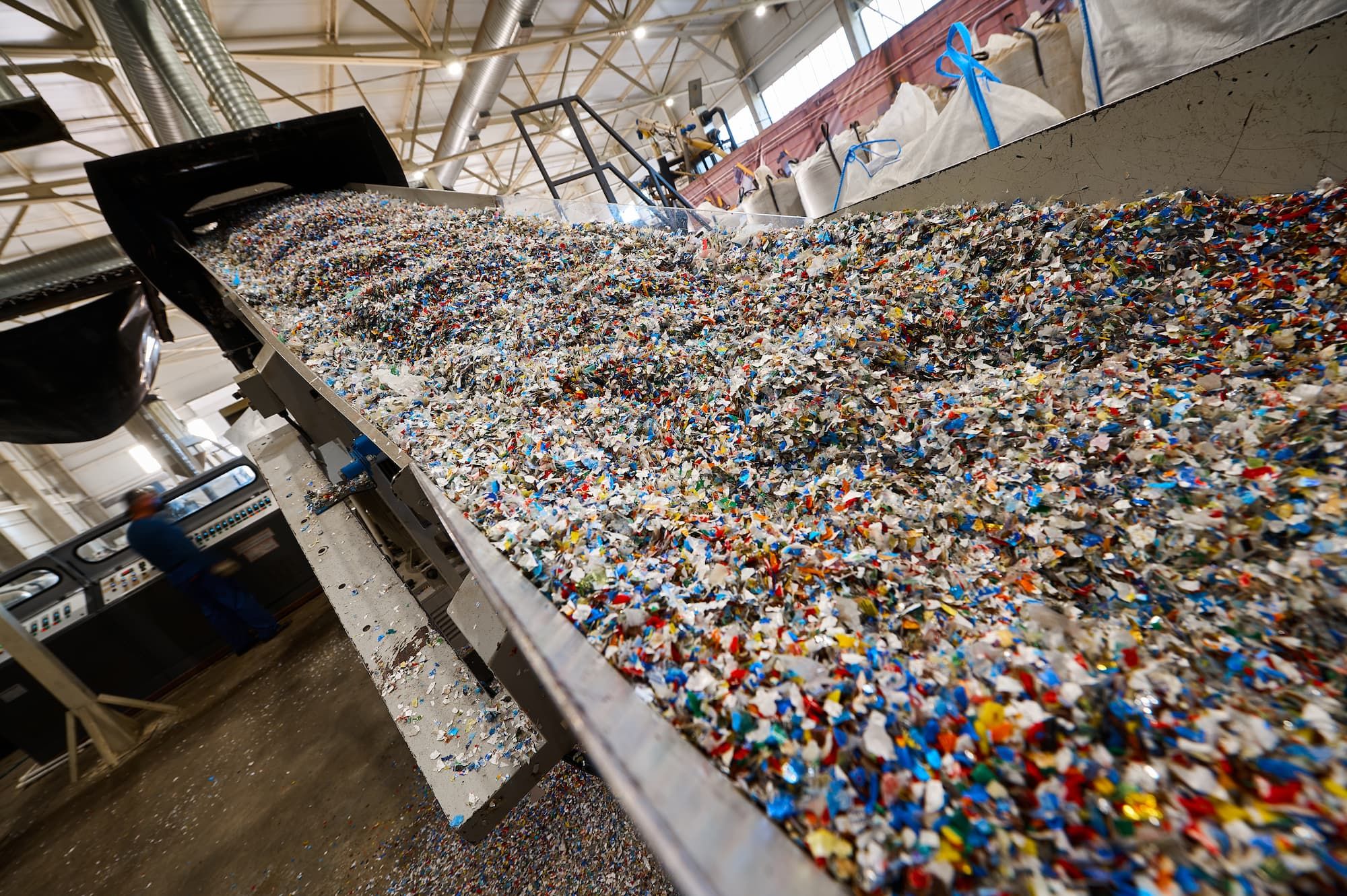
The United Kingdom’s operational plastic reprocessing capacity covers approximately 23 per cent of plastic packaging placed on the domestic market, according to a new white paper published by compliance scheme Ecosurety in partnership with plastics recycling charity RECOUP.
The report, titled “UK plastic packaging recycling infrastructure: Recommendations for circularity,” states that more than 200,000 tonnes of reprocessing capacity has been lost since November 2024, with closures including Viridor’s Avonmouth and Rochester facilities and Biffa’s Washington plant. Without intervention, the white paper warns that the majority of remaining UK reprocessing infrastructure could cease operations by 2030.
The findings come as the sector faces what the report describes as a structural mismatch between policy ambitions for increased recycling and the declining capacity to process collected materials domestically. Packaging reforms including Extended Producer Responsibility (EPR), Simpler Recycling and the Deposit Return Scheme (DRS) are expected to increase collection volumes, but the white paper argues that insufficient attention has been paid to ensuring the infrastructure exists to reprocess those materials.
Decline in UK reprocessing capacity
The report identifies several factors behind the decline. These include low and volatile virgin polymer prices, which it states undercut recycled alternatives, inconsistent feedstock quality from collections, and high energy costs that reduce the competitiveness of domestic reprocessors compared to overseas operations.
According to Ecosurety’s analysis, domestic reprocessors face difficulties competing with international markets where energy and labour costs are lower. Export dependency remains a feature of the UK system, with significant volumes of collected plastic packaging sent overseas.
A joint WRAP-Defra study published in February 2025 identified a three million tonne shortfall in processing capacity across key material streams by 2035, with plastic packaging alone requiring 324,000 tonnes of additional annual capacity to meet demand from packaging reforms.
Current recycling targets can be met through exports, with no requirement for material to be reprocessed domestically. The white paper argues there is a strategic and environmental case for reducing that dependency, with its scenario modelling indicating the UK would need an additional 540,000 to 750,000 tonnes of annual reprocessing capacity to do so.
Four priority recommendations
The white paper sets out four priority areas for action. The first concerns material verification and transparency, with the report calling for standardised composition testing of residual waste and collected recyclables to provide reprocessors with more reliable feedstock data.
The second focuses on building demand for recycled content. The report suggests that mandatory recycled content targets, supported by certification schemes, would provide reprocessors with the market certainty needed to justify investment. The UK Plastics Packaging Tax, which applies a £217.85 per tonne levy on packaging containing less than 30 per cent recycled content, is cited as an existing mechanism, but the report notes complementary measures are needed, including alignment with EU recycled content thresholds.
Third, it identifies the need for investment and innovation. The white paper calls for reprocessing to be designated as Critical National Infrastructure and integrated into the government’s Modern Industrial Strategy, alongside planning reform to accelerate development of recycling facilities and targeted financial instruments to reduce the risk of investing in them. WRAP’s research on plastic film recycling has separately found that only seven per cent of flexible plastic placed on the UK market is recycled annually, a figure that illustrates the scale of the infrastructure gap across different packaging types.
The fourth recommendation covers targeted operational support for existing reprocessors, including measures to address energy cost disparities, expedite Environment Agency permitting and improve feedstock consistency through better collection and sorting practices.
“The UK’s recycling future is not predetermined,” said Robbie Staniforth, Chief Policy and Impact Officer at Ecosurety. “The decisions we make now on investment, innovation and policy will determine whether we build a genuinely circular system or continue to export both our waste and our ambitions.”
Steve Morgan, Director at RECOUP, stated that the plastic reprocessing sector in the UK “is in continued decline” and that the white paper aims to provide the evidence base needed to support targeted interventions.
The publication of the white paper coincides with the early stages of packaging EPR implementation, but raises concerns about whether funding will translate into reprocessing infrastructure investment. The current system directs payments primarily toward collection rather than processing.
Without mechanisms to channel investment toward domestic reprocessing, the report argues, increased collection volumes could exacerbate existing capacity constraints. It recommends that policymakers consider ring-fencing a proportion of EPR revenues for infrastructure development and providing long-term policy signals that give investors confidence to commit capital to UK reprocessing facilities.


Get our weekly digest
resource.co article ai

How will the government and DMOs address the challenges of including glass in DRS while ensuring a level playing field across the UK?
There's no easy solution to include glass in the DRS while maintaining a level playing field. Potential approaches include a phased introduction of glass, potentially with higher deposits to reflect its logistical challenges. The government and DMOs could incentivise innovation in glass packaging design and subsidise dedicated return points for glass-handling. Exemptions for smaller businesses unable to handle glass might also be necessary. Any successful solution will likely blend several approaches. It must address the differing priorities of devolved administrations, balance environmental benefits with logistical and cost implications, and be supported by robust consumer education campaigns emphasizing the importance of glass recycling.