

RECOUP investigation reveals fraudulent recycled content claims on imported packaging are undermining the UK's plastic packaging tax, threatening domestic recycling operations.
Fraudulent recycled content claims on imported plastic packaging are undermining the UK's Plastic Packaging Tax (PPT) and threatening the survival of domestic recycling operations, according to a new report from RECOUP, the UK’s plastics recycling charity.
The recent report warns that packaging manufacturers are facing unfair competition from cheaper imports that falsely declare recycled content to avoid the £223.69 per tonne tax. RECOUP surveyed 15 plastic packaging manufacturers, with three reporting direct harm to their operations as a result of fraudulent claims.
The Plastic Packaging Tax, introduced in April 2022, was designed to incentivise the use of recycled material in manufacturing, aiming to stimulate investment in recycling infrastructure and improve plastic waste processing. However, RECOUP argues that weak verification systems are allowing virgin plastic to be sold under false recycled content claims, undermining both the tax and the industry it was meant to support.
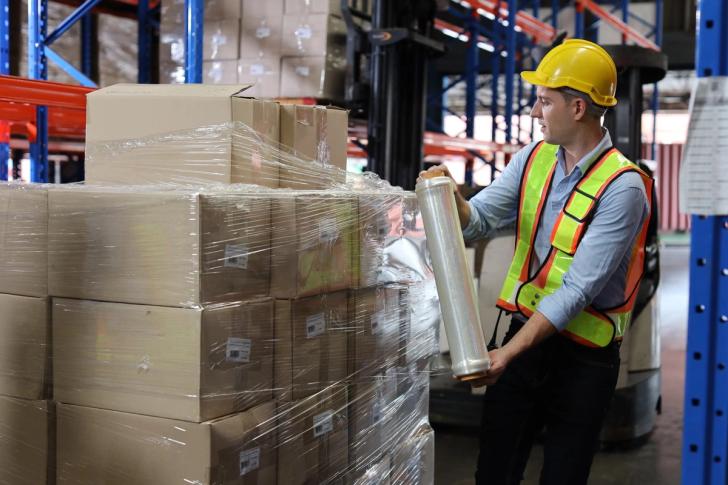
The report highlights technically impossible claims as proof of fraud. Stretch film is being marketed with 300 per cent stretchability while claiming high recycled content, a performance only achievable with 100 per cent virgin material, according to RECOUP's analysis.
Industry sources told RECOUP that incorporating 30 per cent recycled content into UK-produced stretch film increases costs by more than 10 per cent, adding several hundred pounds per tonne. Legitimate manufacturers are therefore competing against fraudulent imports that avoid both the tax burden and the technical challenges of using recycled materials.
Steven Morgan, Head of Policy and Infrastructure at RECOUP, said: "The UK imports around half the plastic packaging it places onto the market, and this includes packaging with claims of recycled content."
He warned that false claims, particularly from imported material, could trigger "a collapse of the plastic packaging recycling system in the UK as we know it".
Revenue losses and enforcement gaps
Weak enforcement is also costing HMRC substantial revenue. Plastic Packaging Tax receipts totalled £259 million in 2024-2025, down 3 per cent from the previous year despite rising packaging volumes.
Some manufacturers report paying a premium for packaging marketed as containing 50 per cent recycled content to stay safely above the 30 per cent threshold; however, this material may be virgin plastic disguised as recycled. RECOUP argues that stronger verification would cut these unnecessary costs.
UK recyclers, who typically provide the traceability and regulatory compliance required for food-contact packaging, are losing market share to low-cost imports from East and Southeast Asia and Turkey. These regions benefit from lower operational costs, different regulatory requirements, and, in some cases, questionable labour practices.
Proposed reforms
To restore integrity to the system, RECOUP recommends implementing either a single HMRC-recognised certification scheme or unified verification requirements assessed by accredited third-party auditors. These systems should include on-site audits by qualified staff and recognition of existing international certifications where applicable.
The charity also calls for a clear separation between pre-consumer material and post-consumer waste, developing transparency tools to report fraudulent activity, and aligning verification requirements between mechanical and chemical recycling processes.
RECOUP warns that when pre-consumer waste is excluded from recycled content definitions in 2027, the risk of fraudulent relabelling will increase unless enforcement is strengthened.
Since 2023, several high-profile UK plastic recycling facilities have closed, cutting an estimated 260,000 tonnes per year of recycling capacity in just 18 months. The British Plastics Federation attributes these closures to "extremely challenging market conditions along with delays to legislation".
Fraudulent practices within the UK’s wider packaging recovery note system are estimated to cost businesses and consumers £50 million annually, with companies forced to purchase recycling evidence for packaging that may never be reprocessed. Gaps between customs data and official recycling databases left 43,575 tonnes unaccounted for in 2023 alone.
Without urgent action, the report concludes, the UK risks losing skilled jobs, industrial capacity, and the ability to recycle plastic waste domestically, at a time when more countries are restricting imports of plastic waste.


Get our weekly digest
resource.co article ai

How will the government and DMOs address the challenges of including glass in DRS while ensuring a level playing field across the UK?
There's no easy solution to include glass in the DRS while maintaining a level playing field. Potential approaches include a phased introduction of glass, potentially with higher deposits to reflect its logistical challenges. The government and DMOs could incentivise innovation in glass packaging design and subsidise dedicated return points for glass-handling. Exemptions for smaller businesses unable to handle glass might also be necessary. Any successful solution will likely blend several approaches. It must address the differing priorities of devolved administrations, balance environmental benefits with logistical and cost implications, and be supported by robust consumer education campaigns emphasizing the importance of glass recycling.