

Findings also reveal a growing appetite for second-hand purchases, which leads report authors SUEZ to call for a seven-point government plan to boost repair and re-use economy.
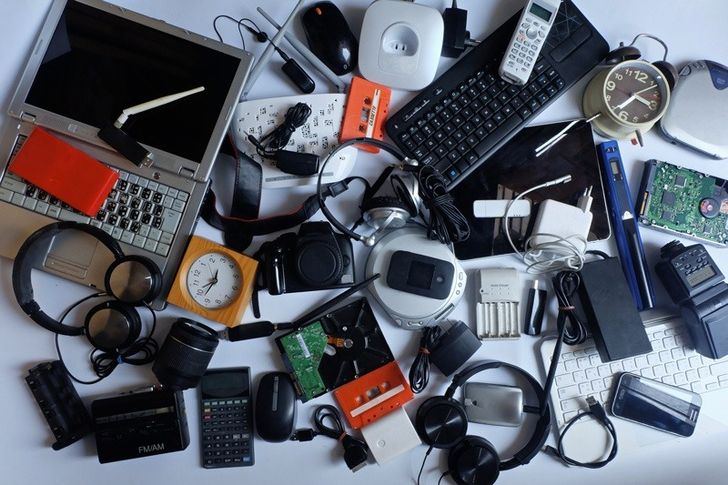
Research by SUEZ recycling and recovery UK claims that UK households and businesses discard two million tonnes of electrical appliances annually, while 800 million smaller devices remain unused in homes due to data security concerns and uncertainty about their value.
The findings are detailed in the ‘Repair, Re-use, Reform – How to accelerate Progress to a Circular Economy’ manifesto, which outlines a seven-point plan for government action to address wasteful consumption patterns.
"This level of waste is unsustainable in a world of depleting resources and clearly a barrier to the Government's plans to move towards a circular economy as part of their Net Zero goals," said John Scanlon, Chief Executive Officer at SUEZ recycling and recovery UK.
Seven steps for change
The manifesto outlines specific measures and policy changes needed to accelerate the transition to a repair and reuse economy:
- Cut the cost: Reduce VAT on all reused, refurbished and repaired goods, including spare parts and labour
- Harness skills: Implement the former Government's Green Jobs Delivery Group recommendations to bring more people into the sector
- Build consumer confidence: Introduce a nationwide accreditation scheme for tested and repaired products to address quality concerns
- Enable local leadership: Provide clear objectives for the public sector to prioritise reuse
- Keep products in use longer: Increase minimum warranty periods for electrical and household items to incentivise manufacturers to improve product durability
- Make repairs accessible: Extend Right to Repair legislation to ensure parts and service information is available for longer periods and across a wider range of products
- Invest to grow: Create a £250 million Re-use Development Loan Fund to support start-ups and expand existing operations
Scanlon added: “Government action is needed to level the playing field and give consumers the confidence to buy reused or repaired goods, which would help turbocharge the shift towards a more circular economy.
“The benefits are also more than environmental. This activity creates skilled green jobs and training opportunities; generates revenue for councils, community organisations and local SMEs; and provides essential goods at prices more people can afford.”
Consumers are becoming more likely to buy pre-owned items
The survey, conducted by Opinium for SUEZ in January 2025, shows changing consumer behaviors, with 30 per cent of UK adults reporting they are more likely to purchase second-hand goods due to cost-of-living pressures. It also found that 48 per cent of adults bought a pre-owned item in the past year.
Generation Z and millennials are leading this trend, being almost twice as likely as over-55s to purchase second-hand goods. While 42 per cent of consumers cite better value for money as their primary motivation, 29 per cent are driven by environmental concerns and 27 per cent by a desire to support small businesses and charities.
However, barriers remain, with 40 per cent of consumers expressing concerns about quality and 18 per cent worried about potential scams when buying pre-owned items.
SUEZ estimates that if each UK household repaired or reused just two additional items annually, it would keep 23 million more items in circulation while generating £1.6 billion for local economies and creating 74,200 skilled jobs.
The company currently operates 30 reuse shops across its household waste recycling centre network in England and Scotland. In 2023, these facilities diverted half a million items from waste.


Get our weekly digest
resource.co article ai

How will the government and DMOs address the challenges of including glass in DRS while ensuring a level playing field across the UK?
There's no easy solution to include glass in the DRS while maintaining a level playing field. Potential approaches include a phased introduction of glass, potentially with higher deposits to reflect its logistical challenges. The government and DMOs could incentivise innovation in glass packaging design and subsidise dedicated return points for glass-handling. Exemptions for smaller businesses unable to handle glass might also be necessary. Any successful solution will likely blend several approaches. It must address the differing priorities of devolved administrations, balance environmental benefits with logistical and cost implications, and be supported by robust consumer education campaigns emphasizing the importance of glass recycling.