

The Environment Agency arrests two men in Doncaster for conspiracy to commit fraud and money laundering involving approximately £875,000 of Packaging Export Recovery Notes.
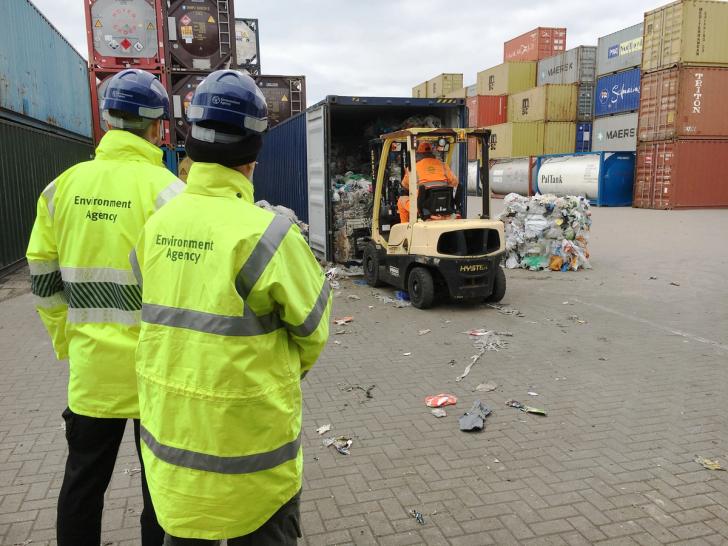
The Environment Agency (EA) has arrested two men in connection with a suspected fraud involving approximately £875,000 worth of Packaging Export Recovery Notes (PERNs), the organisation confirmed today (14 November).
Environment Agency officers worked with South Yorkshire Police last week to apprehend a 59-year-old man at a property in Doncaster. A 39-year-old man, also from Doncaster, was detained separately. Both men have been arrested for conspiracy to commit fraud and money laundering.
The investigation centres on fraudulent waste exporting claims, which the Environment Agency states is often used by organised criminal gangs to launder money. PERNs are issued when an accredited exporter sends packaging waste abroad for reprocessing. Obligated producers must purchase these credits to demonstrate compliance with packaging responsibility regulations.
The suspects have been released on conditional bail following interviews, with restrictions that prevent them from contacting each other. Evidence gathered during the arrests will support further action.
Lauren Pigg, Deputy Director for Waste Markets and Shipments at the Environment Agency, said: "We are calling time on fraudulent activity in the recycling sector, which harms law-abiding businesses and threatens our environment. Our teams are now thoroughly examining all the evidence gathered in these raids to help progress this investigation and deliver justice."
Packaging fraud enforcement
The arrests represent the latest phase in an intensified crackdown on PERN fraud across England. During 2024, the Environment Agency arrested 17 individuals for fraud and money laundering connected to PERN schemes, with Account Freezing Orders leading to the seizure of £665,000 from criminal accounts.
In March 2025, the Environment Agency and the North West Regional Organised Crime Unit arrested two men in Manchester in relation to the illegal sale of PERNs worth £747,000. Further arrests followed in May and July.
The Environment Agency reports that fraud in the waste export industry has increased in scale and complexity over the past three years. Criminals exploit the system by falsifying documents relating to non-existent waste, non-UK sourced waste, or waste that has already been claimed through the recovery note system.
Waste crime costs the English economy an estimated £1 billion annually, with the EA estimating that as much as 18 per cent of waste in England is managed illegally.
Economic Crime Unit
The investigations are being conducted by the Environment Agency's Investigations and Disruption Team in partnership with the Economic Crime Unit, which was established in February 2024 to strengthen financial investigations and tackle money laundering in the waste sector.
The unit comprises two teams: an Asset Denial Team focused on account freezing orders, cash seizures, pre-charge restraint and confiscation; and a Money Laundering Investigations Team conducting dedicated money laundering investigations. Money laundering offences carry sentences of up to 14 years in prison.
The Environment Agency's efforts extend beyond UK borders. The organisation has collaborated internationally to fight waste export fraud, including deploying investigators to Vilnius, Lithuania, to collect evidence as part of an investigation with the Lithuanian Department of Environmental Protection.
In 2024, the Environment Agency increased its dedicated team of investigators fourfold and received 435 applications for accreditation as waste exporters, approving 386. The number of applications refused and withdrawn in 2023 was over three times higher compared to 2022, a trend that has continued into 2024.
The Packaging Producer Responsibility Regulations require businesses handling more than 50 tonnes of packaging annually with turnover exceeding £2 million to demonstrate that packaging placed on the market has been recycled. Compliance is demonstrated through purchasing PRNs from reprocessors or PERNs from exporters.


Get our weekly digest
resource.co article ai

How will the government and DMOs address the challenges of including glass in DRS while ensuring a level playing field across the UK?
There's no easy solution to include glass in the DRS while maintaining a level playing field. Potential approaches include a phased introduction of glass, potentially with higher deposits to reflect its logistical challenges. The government and DMOs could incentivise innovation in glass packaging design and subsidise dedicated return points for glass-handling. Exemptions for smaller businesses unable to handle glass might also be necessary. Any successful solution will likely blend several approaches. It must address the differing priorities of devolved administrations, balance environmental benefits with logistical and cost implications, and be supported by robust consumer education campaigns emphasizing the importance of glass recycling.