

Scotland's new circular economy strategy replaces the 2016 Making Things Last plan with sector-led roadmaps, product stewardship commitments and the country's first circular economy monitoring framework.
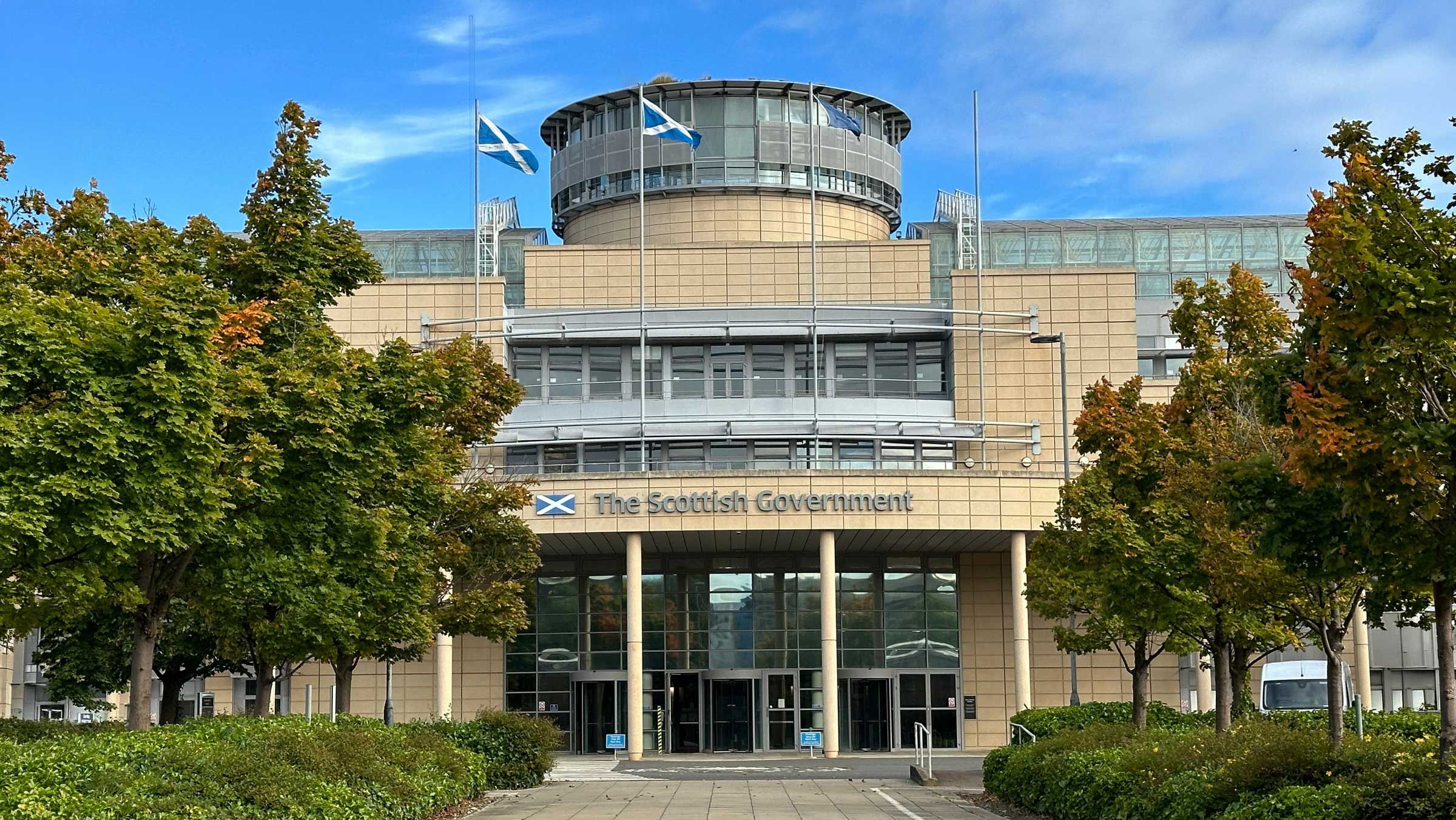
The Scottish Government has published a circular economy strategy setting out how it plans to reduce the environmental impact of the country's consumption over the next two decades. The strategy, which sets a vision through to 2045, estimates that circular activity already contributes over £4 billion a year to the economy.
Five sectors have been selected as priorities, spanning the built environment, energy infrastructure, textiles, transport and the food system. Zero Waste Scotland will develop roadmaps for each within a year of publication, working with industry through Mission Boards over a five-year delivery period. Transport will not have a separate roadmap, as it is already covered under Scotland's Climate Change Plan, but the government says it will work with the sector directly.
"A more circular economy provides an opportunity to strengthen our economy by opening up new business opportunities, improving productivity, saving money and insulating us from global supply chain shocks," said Gillian Martin, Cabinet Secretary for Net Zero and Energy, in the strategy's foreword. Martin added that Scotland must ensure its consumption "does not exceed our fair share of what our planet can sustain."
A Circular Jobs Tracker published alongside the strategy found 56,000 people are employed in circular roles across Scotland. Workers in those roles earn an average of £5 per hour more than the national average, and productivity runs 16 per cent above the economy-wide figure. The strategy, which is mandated under the Circular Economy (Scotland) Act 2024, replaces the 2016 Making Things Last plan and extends Scotland's circular economy vision to 2045.
Sector approach and product stewardship
Rather than targeting individual materials, the strategy takes a sector-led approach. The government says this allows it to address the impacts of plastics, critical materials and chemicals across the full supply chain of the sectors that rely on them.
Alongside the five sectors, a product stewardship strand will target packaging, waste electrical and electronic equipment, batteries, end-of-life vehicles and end-of-life fishing gear. Textiles, mattresses and furniture have also been selected as priorities, chosen for their high carbon impact, local authority management costs and potential social benefit if reused. The inclusion of plastics through this product-based approach responds to criticism from environmental groups during the consultation, which ran from October 2025 to January 2026, that the draft strategy failed to mention plastics at all.
Ciaran McGuigan, chief executive of Zero Waste Scotland, said: "Global risks continue to expose the fragility of traditional supply chains and it's clearer than ever that a circular economy offers Scotland a logical, powerful route to national resilience and sustainable prosperity."
The public sector is a target for change too. Scottish public bodies spend more than £16 billion each year on goods, services and works, and the strategy commits to embedding circularity in procurement processes, including considering new regulations to require purchasing of goods with recycled content.
Monitoring without targets
The strategy includes Scotland's first national-level monitoring and indicator framework specifically for the circular economy. It does not, however, include specific reduction targets, though the government aims to address this by next year, once the framework has established baselines.
Friends of the Earth Scotland called the strategy "unfit for purpose" in its consultation response, arguing it was "likely to lead to significant harms to people or nature" without fundamental changes. Kim Pratt, the organisation's circular economy campaigner, said Scotland has "the materials, skills and demand to make this circular narrative a reality" but needs "a government willing to take bold steps."
Eight policy mechanisms underpin the strategy: business support, behaviour and systems change, place-based approaches, procurement, due diligence, skills and education, circular economy data, and policy alignment. The strategy also references the forthcoming UK-wide Digital Waste Tracking service and the packaging Extended Producer Responsibility scheme as drivers of improved data.
Scotland generated 9.55 million tonnes of waste in 2023, a reduction of around 20 per cent since 2011, according to the strategy, with landfilling at its lowest level on record. The government says its carbon footprint, including emissions embedded in imported goods, is around 20 per cent larger than its territorial emissions, making consumption reduction a priority alongside domestic waste management.
The strategy sits alongside Scotland's Climate Change Plan, the Environment Strategy, the Scottish Biodiversity Strategy and the Circular Economy and Waste Route Map to 2030.






Get our weekly digest
resource.co article ai

How will the government and DMOs address the challenges of including glass in DRS while ensuring a level playing field across the UK?
There's no easy solution to include glass in the DRS while maintaining a level playing field. Potential approaches include a phased introduction of glass, potentially with higher deposits to reflect its logistical challenges. The government and DMOs could incentivise innovation in glass packaging design and subsidise dedicated return points for glass-handling. Exemptions for smaller businesses unable to handle glass might also be necessary. Any successful solution will likely blend several approaches. It must address the differing priorities of devolved administrations, balance environmental benefits with logistical and cost implications, and be supported by robust consumer education campaigns emphasizing the importance of glass recycling.