

NAWDO, LARAC and The Recycling Association urge government to reconsider DRS plans following Wales's exit from UK-wide system
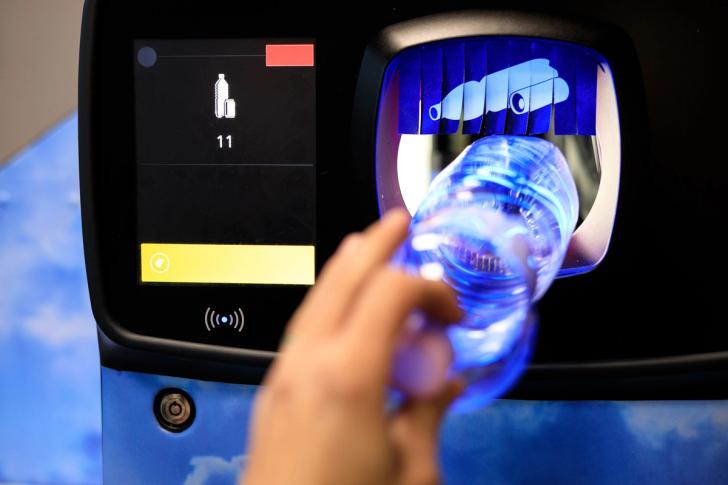
Waste and recycling industry trade bodies have called on the UK Government to abandon or pause plans for a deposit return scheme, following Wales's decision to withdraw from the proposed UK-wide system earlier this week.
The intervention comes despite Defra's commitment to proceed with implementing DRS in partnership with Scottish and N.Ireland governments by October 2027, raising fresh questions about the scheme's viability.
NAWDO (National Association of Waste Disposal Officers) has urged the government to instead focus resources on successfully delivering other policies such as packaging EPR and Simpler Recycling. "DRS has now caused complications in two of the devolved nations, following the collapse of the Scottish proposals in 2023 and the recent withdrawal by the Welsh Government," the association stated.
System complications
LARAC (Local Authority Recycling Advisory Committee) warned that different materials being included in different parts of the UK creates "systemic challenges in terms of labelling and communications, as well as knock-on effects to other policies, most notably fees for Extended Producer Responsibility."
"This is the second time, following the Scottish scheme last year, that we have seen efforts to create a multi-tiered DRS within the UK, with the Internal Markets Act again cited as a key challenge," said Cathy Cook, LARAC Chair. She added that the infrastructure would be "both costly and ineffective at capturing what is needed to make real change to UK recycling rates."
Taking an even stronger line, the Recycling Association, described DRS as "a disaster from start-to-finish" and is calling for its complete abandonment. Chief Executive Paul Sanderson said: "The only people who want a DRS are the soft drinks manufacturers and politicians."
However, a recent survey of 2000 people conducted by Yonder on behalf of Alupro claims that almost three quarters of Britons want the new UK Government to push ahead with the proposed Deposit Return Scheme (DRS).
Cost concerns
The trade bodies calling for DRS to be paused believe there are significant cost implications that warrant a rethink. LARAC noted that the 2019 impact assessment for DRS estimated development costs of billions of pounds for England, Wales and Northern Ireland - a figure it says will likely have increased.
Sanderson added: "A majority of people already put their bottles and cans in their domestic recycling, and it would seem unlikely that a deposit will incentivise those who are already too lazy to recycle to visit the reverse vending machine at the supermarket.”
All three organisations emphasised that existing kerbside recycling infrastructure already successfully captures PET plastic and aluminium drinks containers - the materials targeted by the proposed DRS.


Get our weekly digest
resource.co article ai

How will the government and DMOs address the challenges of including glass in DRS while ensuring a level playing field across the UK?
There's no easy solution to include glass in the DRS while maintaining a level playing field. Potential approaches include a phased introduction of glass, potentially with higher deposits to reflect its logistical challenges. The government and DMOs could incentivise innovation in glass packaging design and subsidise dedicated return points for glass-handling. Exemptions for smaller businesses unable to handle glass might also be necessary. Any successful solution will likely blend several approaches. It must address the differing priorities of devolved administrations, balance environmental benefits with logistical and cost implications, and be supported by robust consumer education campaigns emphasizing the importance of glass recycling.