

Circularity initiative, Retility, demonstrates a new sorting process for recovering non-NIR detectable plastic in decommissioned reverse vending machines.
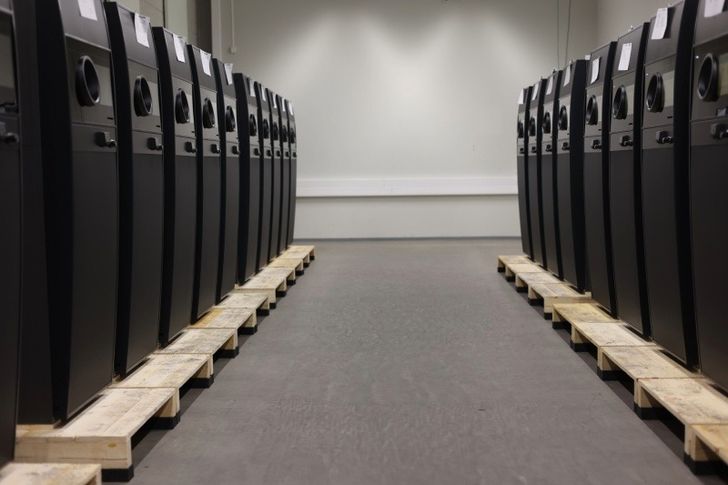
TOMRA has announced a new solution for recovering black plastics as part of its material circularity initiative, Retility.
Partnering with European Recycling Platform in Norway and Polykemi, an industrial plastics compounder, TOMRA has applied the technique to its own decommissioned reverse vending machines, and recycled the plastic for the construction of new products.
The reverse vending machines, which the company says recycle approximately 46 billion bottles each year, contain carbon black plastic that has been difficult for near-infrared (NIR) recycling technologies to detect and sort effectively. Research from The Waste & Resources Action Programme (WRAP) has suggested that the majority of non-NIR detectable black plastic ends up in landfill or is incinerated due to this issue.
In collaboration with European Recycling Platform, the black plastic contained within the machines will be separated and pre-sorted by polymer type before being passed on to Polykemi for recycling. The new recycled content will then be sent to become new polymer parts for TOMRA’s vending machines.
Christina Ek, Head of Sustainability at TOMRA Collection, said: “We hope that this initiative will result in a vast amount of valuable black plastic being diverted from incineration towards recycling, while unlocking greater access to recycled content for our peers across the technology and manufacturing industries.”
Ek added: “At TOMRA we have a saying that there is no such thing as waste. Retility is about putting that into practice. We are excited to explore even more opportunities to deliver on our product circularity goals.”


Get our weekly digest
resource.co article ai

How will the government and DMOs address the challenges of including glass in DRS while ensuring a level playing field across the UK?
There's no easy solution to include glass in the DRS while maintaining a level playing field. Potential approaches include a phased introduction of glass, potentially with higher deposits to reflect its logistical challenges. The government and DMOs could incentivise innovation in glass packaging design and subsidise dedicated return points for glass-handling. Exemptions for smaller businesses unable to handle glass might also be necessary. Any successful solution will likely blend several approaches. It must address the differing priorities of devolved administrations, balance environmental benefits with logistical and cost implications, and be supported by robust consumer education campaigns emphasizing the importance of glass recycling.