

A report from Fashion for Good and The Microfibre Consortium calls for improved filtration technologies during production and in homes, as well as integration of other techniques.
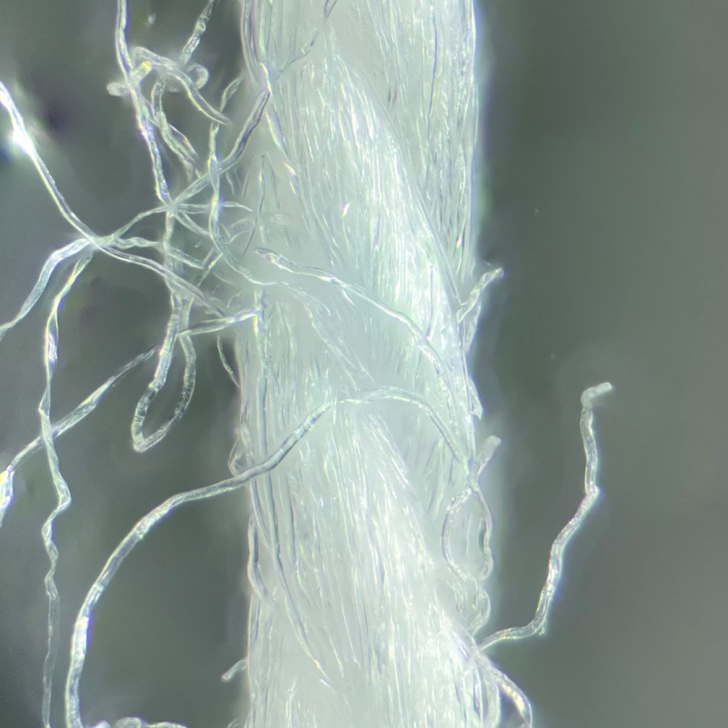
Fashion for Good and The Microfibre Consortium have released ‘Behind the Break: Exploring Fibre Fragmentation,’ a report that provides insights for the textile and waste management industries on mitigating fibre fragment pollution.
According to the report, this issue, which affects all textile types - not just synthetics - demands a comprehensive, industry-wide approach that integrates responsible manufacturing, waste treatment, and regulatory intervention.
Fibre fragmentation: a challenge for waste management
Fibre fragments are released throughout a textile’s lifecycle, during manufacturing, consumer use, and end-of-life disposal. These tiny fibres have been found in nearly every environment on Earth, from remote regions like the Arctic to Mount Everest, and have been documented in hundreds of species.
While synthetic microplastics have received the most attention, the report emphasises that non-synthetic fibres such as cotton also persist in the environment. Forensic studies indicate that approximately 70 per cent of all fibres found in environmental samples are non-synthetic, necessitating an inclusive approach to pollution mitigation.
Kelly Sheridan, CEO at The Microfibre Consortium, described the purpose of the collaboration: “Partnering with Fashion For Good has helped to unite the project partners behind the ongoing need for alignment on closing fibre fragmentation knowledge gaps. With this rallied support, we can build on the existing state of knowledge and make great strides in addressing urgent topic challenges for a future of informed, science-led and integrated mitigation action.”
Where are fibre fragments coming from?
The report identifies that fragmentation can occur across a product’s lifecycle. Fabrics made from shorter staple fibres, like cotton, shed more fragments than continuous filament fibres. Looser structures also release more fragments than compact woven structures.
The dyeing stage can account for up to 95 per cent of total fibre emissions during manufacturing, says the report, with chemical and mechanical treatments significantly influencing shedding patterns.
Washing and drying are another major source of fibre release, with factors like detergent type, wash temperature, and machine type all affecting shedding rates.
Solutions needed “across the value chain”
Rather than seeking a single solution, the report advocates for a comprehensive portfolio approach including:
- Responsible textile design: Developing fabrics with lower propensity to shed through advanced yarn construction, processing techniques, and finishing
- Industrial-level filtration: Implementing advanced air and water filtration systems into manufacturing facilities
- Consumer-level interventions: Promoting washing machine filters, behavioural changes in laundry practices, and public awareness campaigns
- Innovation: Supporting development of new technologies while evaluating their complete environmental impact
Effluent treatment plants (ETPs) play a crucial role in the report’s plan to prevent fibre fragment pollution. It underscores the importance of advanced filtration methods such as ultrafiltration membranes, which capture fibre fragments from wastewater.
However, high costs and energy requirements pose challenges for widespread adoption, particularly among smaller textile manufacturers. More affordable alternatives, such as secondary clarifiers, which are sedimentation tanks used in wastewater treatment processes, can still yield significant reductions in fibre pollution when properly maintained.
Katrin Ley, Managing Director of Fashion for Good added: “Fibre pollution is a challenge that the industry faces as a whole, so we are partnering with The Microfibre Consortium to contribute to the foundation of data that will help us better understand the root causes of fibre fragmentation.”
The report also notes that, despite growing awareness of fibre pollution, progress on regulatory intervention remains limited. It calls for policy to address all fibre types, not just synthetics, and all stages of the textile lifecycle beyond just consumer use, such as through extended producer responsibility (EPR) frameworks.


Get our weekly digest
resource.co article ai

How will the government and DMOs address the challenges of including glass in DRS while ensuring a level playing field across the UK?
There's no easy solution to include glass in the DRS while maintaining a level playing field. Potential approaches include a phased introduction of glass, potentially with higher deposits to reflect its logistical challenges. The government and DMOs could incentivise innovation in glass packaging design and subsidise dedicated return points for glass-handling. Exemptions for smaller businesses unable to handle glass might also be necessary. Any successful solution will likely blend several approaches. It must address the differing priorities of devolved administrations, balance environmental benefits with logistical and cost implications, and be supported by robust consumer education campaigns emphasizing the importance of glass recycling.