

Hong Kong-based textile manufacturer New Focus Textiles has implemented DNA markers from Swiss technology company Haelixa to provide laboratory-verifiable proof of recycled cotton content throughout its textile-to-textile production process.
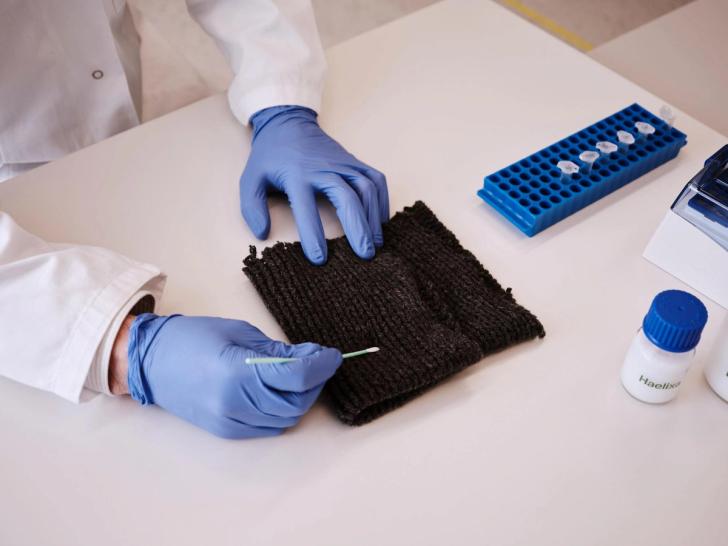
Hong Kong-based textile manufacturer New Focus Textiles has implemented DNA-based traceability technology from Swiss company Haelixa to provide forensic verification of recycled cotton content in its textile-to-textile manufacturing operations.
The technology applies DNA markers derived from Swiss mountain herbs directly to post-industrial and post-consumer cotton waste before mechanical recycling. The markers remain detectable throughout spinning, weaving, dyeing and finishing processes, allowing material samples to be tested at any production stage using PCR analysis in accredited laboratories.
"Recycled claims need solid evidence," commented Patrick Strumpf, Chief Executive at Haelixa. "By marking textile waste, manufacturers can scientifically prove the presence of recycled content in new fibres, yarns or garments and secure customers' trust."
The markers are applied as a fine mist using a sprayer system at the point where post-consumer garments are opened and handled. The subsequent mechanical shredding process distributes the marker throughout the material, ensuring it binds to fibres rather than remaining on garment surfaces.
New Focus Textiles manufactures GRS-certified recycled cotton fabrics from post-industrial and post-consumer feedstock under its T2T™ (Textile-to-Textile) programme. The company operates manufacturing facilities in China, Vietnam and Portugal.
Regulatory alignment
The system is intended to support forthcoming EU Digital Product Passport requirements, which will mandate detailed product information including material composition and recycled content for textiles sold in the European market.
The European Parliament's Ecodesign for Sustainable Products Regulation, which entered into force in July 2024, establishes the framework for Digital Product Passports. Textile products are expected to require compliance from 2027, according to the regulation's working plan.
"Scientific verification strengthens customers' trust," stated Jennie Peterson, partner at New Focus Textiles. "Our buyers no longer need to rely on claims alone. We can verify the recycled origin of their fabrics with forensic evidence."
The integration with Haelixa's technology allows New Focus to align DNA-based verification with digital traceability platforms such as TextileGenesis, which maintains blockchain-based supply chain records.
Physical tracer technologies
Physical tracer technologies analyse the microparticle composition of fibres to verify material origin and create supply chain traceability, according to a 2024 assessment by Fashion for Good and Textile Exchange.
The textile industry has seen increased scrutiny of recycled content claims. Tracer technologies can authenticate sustainability standards and certifications as part of wider circular economy strategies, the assessment states.
Haelixa, a spin-off from ETH Zürich, has implemented similar DNA tracing systems with textile manufacturers including Pakistan-based denim producer Soorty and has worked with brands including C\&A, Hugo Boss and OVS.
The company states its DNA markers are non-toxic, vegan and biodegradable, and comply with both GOTS and OEKO‑TEX Standard 100 certification requirements.


Get our weekly digest
resource.co article ai

How will the government and DMOs address the challenges of including glass in DRS while ensuring a level playing field across the UK?
There's no easy solution to include glass in the DRS while maintaining a level playing field. Potential approaches include a phased introduction of glass, potentially with higher deposits to reflect its logistical challenges. The government and DMOs could incentivise innovation in glass packaging design and subsidise dedicated return points for glass-handling. Exemptions for smaller businesses unable to handle glass might also be necessary. Any successful solution will likely blend several approaches. It must address the differing priorities of devolved administrations, balance environmental benefits with logistical and cost implications, and be supported by robust consumer education campaigns emphasizing the importance of glass recycling.