

Levenseat Resource Management installs first AI-powered carton sorting technology in Scotland
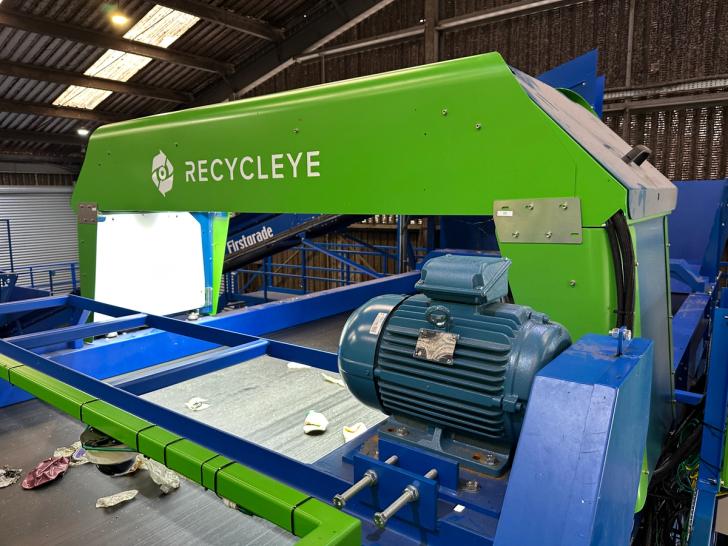
Carton manufacturer Tetra Pak has completed its three-part 2025 UK investment programme with the installation of AI-powered optical sorting technology at Levenseat Resource Management's materials recycling facility in Central Scotland. The £1.4 million programme represents the company's largest annual investment in UK sorting infrastructure.
The Recycleye QuantiSort system uses artificial intelligence and cameras to detect beverage cartons within mixed materials waste streams, with pneumatic valves ejecting identified cartons for recycling. The technology represents the first deployment of AI-powered carton sorting in Scotland and follows similar investments in England.
Levenseat Resource Management serves local authorities across Lanarkshire, Ayrshire and Dumbartonshire. The facility upgrade enables enhanced sorting capabilities ahead of anticipated increases in carton volumes under regulatory changes.
This follows Tetra Pak's installation of robotic sorting arms at J&B Recycling in Hartlepool earlier this year, which can sort up to 33,000 objects per 10-hour shift with 95 per cent purity rates, and Cumbria Waste Management's optical sorter in July, achieving over 98 per cent carton output purity.
Scotland's circular economy alignment
The Scottish installation aims to align with the Circular Economy Act, to ensure collection of cartons can be included in updated Code of Practice guidance for local authorities. This mirrors the company's commitment to supporting infrastructure needed for Simpler Recycling requirements.
From March 2026, England’s Simpler Recycling policy will require local authorities to collect cartons alongside plastic materials from all English households, ending the current fragmented collection system where only two-thirds of English councils currently provide kerbside carton collection.
Infrastructure investment context
The UK investment forms part of Tetra Pak's wider £34 million annual global commitment to expand carton collection, sorting and recycling infrastructure. Within this, £2.4 million has been allocated specifically for UK sorting infrastructure upgrades, supplemented by £24 million from the Alliance for Beverage Cartons and the Environment (ACE UK).
The timing addresses anticipated collection increases under regulatory reforms. While nearly three-quarters of UK councils now collect liquid cartons at kerbside, consistent infrastructure upgrades are required to handle projected volume increases when mandatory collection commences.
"We are delighted to be able to demonstrate the power that investment in cutting-edge AI technology holds when it comes to improving the UK's recycling infrastructure," said Awantika Chadha, Sustainability Manager at Tetra Pak UK. "We are committed to supporting the transition to a circular economy in the UK."
Victor Dewulf, Co-founder and CEO of Recycleye, said: "This first installation of the Recycleye QuantiSort in Scotland is a major milestone for us. AI has the capability to transform waste management, and we hope that our work with Levenseat and others will show MRFs and local authorities the possibilities this flexible technology offers."
Angus Hamilton, CEO of Levenseat Resource Management, added: "We're proud to work with Tetra Pak and Recycleye to bring AI-powered carton sorting technology to Scotland for the first time. Strengthening our carton sorting capability means we can provide even greater value to the Local Authorities and communities we serve."


Get our weekly digest
resource.co article ai

How will the government and DMOs address the challenges of including glass in DRS while ensuring a level playing field across the UK?
There's no easy solution to include glass in the DRS while maintaining a level playing field. Potential approaches include a phased introduction of glass, potentially with higher deposits to reflect its logistical challenges. The government and DMOs could incentivise innovation in glass packaging design and subsidise dedicated return points for glass-handling. Exemptions for smaller businesses unable to handle glass might also be necessary. Any successful solution will likely blend several approaches. It must address the differing priorities of devolved administrations, balance environmental benefits with logistical and cost implications, and be supported by robust consumer education campaigns emphasizing the importance of glass recycling.