

Retailer set to transition own-brand product range to fully recyclable paper packaging as part of the brand’s 4R recycling strategy.
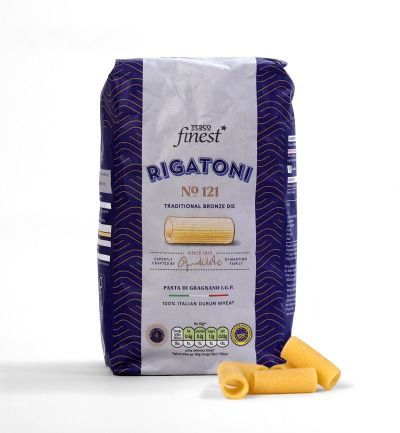
In a move away from plastic packaging, Tesco has transitioned its own-brand Finest range of dried pasta into paper containers.
The retailer projects that this switch will save over 10 million pieces of plastic each year, amounting to a reduction of around 30 tonnes of plastic waste.
The new paper packs will be fully recyclable and can be disposed of in household recycling bins. They will be available across Tesco stores, including Tesco Express locations.
Claire Lorains, Tesco Group Sustainability and Quality Director, commented on the change: “Removing unnecessary plastic is an important way that Tesco can reduce its environmental impact. The new paper packaging works just as well as the old plastic but can be popped into your normal recycling bin with other paper.”
The switch affects 10 of Tesco’s pasta lines, including spaghetti, linguine, fusilli, and penne.
The initiative falls under Tesco’s 4R (Remove, Reduce, Reuse, Recycle) strategy, introduced in 2019. Since the strategy’s launch, Tesco reports that it has removed over 2.3 billion pieces of plastic from its UK business.
In December 2023, Tesco turned to paper for its pocket tissue packaging. It also launched a range of tubeless kitchen foil in February 2024, designed to save 330 tonnes of cardboard production each year.
Lorains added: “We're proud of the work we’ve done so far to reduce the plastic we use at Tesco but will continue to look for ways to do more."


Get our weekly digest
resource.co article ai

How will the government and DMOs address the challenges of including glass in DRS while ensuring a level playing field across the UK?
There's no easy solution to include glass in the DRS while maintaining a level playing field. Potential approaches include a phased introduction of glass, potentially with higher deposits to reflect its logistical challenges. The government and DMOs could incentivise innovation in glass packaging design and subsidise dedicated return points for glass-handling. Exemptions for smaller businesses unable to handle glass might also be necessary. Any successful solution will likely blend several approaches. It must address the differing priorities of devolved administrations, balance environmental benefits with logistical and cost implications, and be supported by robust consumer education campaigns emphasizing the importance of glass recycling.