

Supermarket chain has removed the core tube from its aluminium foil in a bid to cut down on cardboard packaging.
Tesco claims its re-designed product is the UK’s first ever tubeless kitchen foil. The company estimates the change will avoid the production of 12.5 million cardboard tubes, consequently saving 330 tonnes of cardboard, each year.
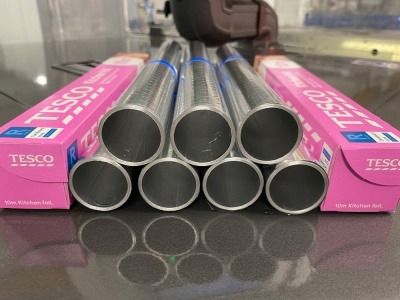
The tubeless foil, which costs £1.40 per roll, is produced by a new state-of-the-art rolling machine which allows the aluminium foil to be rolled tightly around a spindle containing air vents. When air is pumped into these vents, the foil can be gently released.
Commenting on the project, Tesco Technical Manager Bronwen Williams said: “This new machine has revolutionised foil production, saving hundreds of tonnes of cardboard from needlessly being made in the first place.
“We are continually looking at ways in which we can cut down on packaging in order to help the environment and hope, after starting with our top selling kitchen foil line, that we will be able to apply this to the rest of our foil range.”
The move is part of Tesco’s 4Rs packaging strategy, which aims to tackle waste by removing, reducing, reusing and recycling packaging. The supermarket chain says that since 2020, it has reduced packaging by over 4,500 tonnes.
Tesco also professes to have saved nearly 70 tonnes of packaging each year since it made changes to its toilet rolls two years ago. By fitting toilet rolls with double the amount of paper or winding rolls more tightly, the company reduced the amount of plastic packaging required.
Last week, it launched luxury soft toilet rolls and kitchen towels made from 100% recycled materials. The innovative process turns cardboard from used home delivery boxes, toilet roll tubes and corrugated card waste into paper. This is reportedly less energy- and water-intensive than the process that makes paper from traditional tree fibre.


Get our weekly digest
resource.co article ai

How will the government and DMOs address the challenges of including glass in DRS while ensuring a level playing field across the UK?
There's no easy solution to include glass in the DRS while maintaining a level playing field. Potential approaches include a phased introduction of glass, potentially with higher deposits to reflect its logistical challenges. The government and DMOs could incentivise innovation in glass packaging design and subsidise dedicated return points for glass-handling. Exemptions for smaller businesses unable to handle glass might also be necessary. Any successful solution will likely blend several approaches. It must address the differing priorities of devolved administrations, balance environmental benefits with logistical and cost implications, and be supported by robust consumer education campaigns emphasizing the importance of glass recycling.