

Tesco removed 500 million pieces of unnecessary plastic from its own-brand products last year, including plastic bags, forks, chicken trays, and straws.
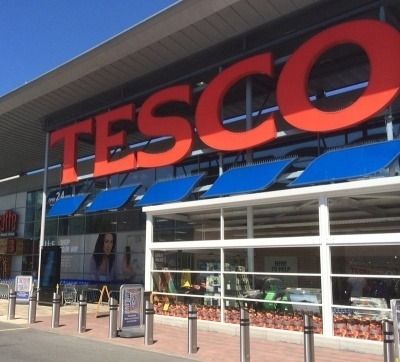
Since the inception of its ‘4Rs – Remove, Reduce, Re-use, Recycle’ packaging strategy, the supermarket has removed more than one and a half billion pieces of plastic from its UK business.
2021’s annual savings include 200 million bags removed from Tesco.com deliveries, 42 million plastic forks from prepared salads and rice bowls, 14 million plastic trays from whole chickens, and 48 million own-brand plastic straws.
Tesco Quality Director, Sarah Bradbury, said: “We all have a responsibility to take care of our planet and removing unnecessary plastic is an important way that Tesco can reduce its environmental impact. While we are proud of this achievement, we know we have more to do and our work to tackle the impact of plastic waste will continue in 2022 and beyond.”
Tesco’s 4Rs strategy saw the supermarket give its suppliers a ‘red/amber/green’ list of preferred materials based on UK recycling capabilities, infrastructure, and end of life outcomes, and state that it reserves the right to no longer stock products containing hard-to-recycle ‘red’ materials or excessive packaging. It also offered its suppliers support in developing more sustainable packaging solutions.
In August of last year, the retailer rolled out a soft plastic collection scheme nationwide. Consumers can bring back any soft plastic packaging to be recycled, with Tesco stating that this will be used in its own products ‘as much as possible’.
Tesco launched an in-store reuse system with partner Loop a month later, allowing customers in 10 stores in the east of England to buy products in pre-filled reusable packaging to be cleaned, refilled, and used again.
2021 also saw the retailer named as one of 12 producers responsible for 65 per cent of UK packaging pollution in ocean conservation charity Surfers Against Sewage’s annual Citizen Science Brand Audit.


Get our weekly digest
resource.co article ai

How will the government and DMOs address the challenges of including glass in DRS while ensuring a level playing field across the UK?
There's no easy solution to include glass in the DRS while maintaining a level playing field. Potential approaches include a phased introduction of glass, potentially with higher deposits to reflect its logistical challenges. The government and DMOs could incentivise innovation in glass packaging design and subsidise dedicated return points for glass-handling. Exemptions for smaller businesses unable to handle glass might also be necessary. Any successful solution will likely blend several approaches. It must address the differing priorities of devolved administrations, balance environmental benefits with logistical and cost implications, and be supported by robust consumer education campaigns emphasizing the importance of glass recycling.