

Suzuki Motor Corporation has begun rolling out a new device which can be attached to outboard motors to gather microplastic waste from the water surface.
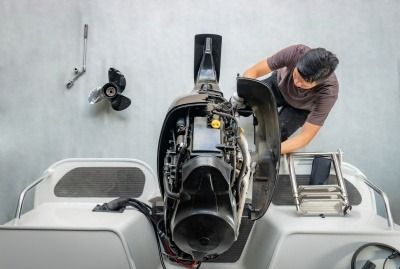
Once attached, the device will see motors pump up seawater to cool the engine and then return the water to the ocean, with microplastics being collected from this returning water ‘just by running the engine’.
A spokesperson from Suzuki told Resource that the device is capable of collecting plastics between 10 and 30 centimetres from the water's surface. Tests held within the UK prior to the launch found that when the motor was on for 10 hours, a ‘golf ball size’ collection of microplastics was gathered.
The amount of microplastic waste that the motor is capable of collecting depends on the boats speed and therefore amount of water passing through. For instance, the boat may cruise and collect less waste than it would at higher speeds.
Suzuki says that the device will become a part of four of its ‘mid range outboard motors’ – DF115B, DF115BG, DF140B and DF140BG.
Suzuki initially announced plans to develop the device in October 2020, with the company outlining its objective of addressing ocean plastic waste pollution.
After the announcement, monitoring surveys were conducted in 14 countries around the world, including in Japan, the US, and Europe. Suzuki’s research in Japan identified a ‘substantial amount of micro-plastic waste’ within the substances collected by initial models of the device, making improvements to the technology based on these tests.
Mark Beeley, Head of Marine and ATV for Suzuki GB said, “The roll-out of the new micro-plastic collecting device is another great step forward for Suzuki.
“We have been talking to boaters about this unique innovation at shows and events since it was announced as a concept and it has been incredibly well received. We can’t wait to see the first outboards with it fitted as standard to be sold to customers in the UK.”


Get our weekly digest
resource.co article ai

How will the government and DMOs address the challenges of including glass in DRS while ensuring a level playing field across the UK?
There's no easy solution to include glass in the DRS while maintaining a level playing field. Potential approaches include a phased introduction of glass, potentially with higher deposits to reflect its logistical challenges. The government and DMOs could incentivise innovation in glass packaging design and subsidise dedicated return points for glass-handling. Exemptions for smaller businesses unable to handle glass might also be necessary. Any successful solution will likely blend several approaches. It must address the differing priorities of devolved administrations, balance environmental benefits with logistical and cost implications, and be supported by robust consumer education campaigns emphasizing the importance of glass recycling.