

The Surrey Environment Partnership (SEP) has launched a campaign to link resident behaviour around recycling and waste to its impact on the planet.
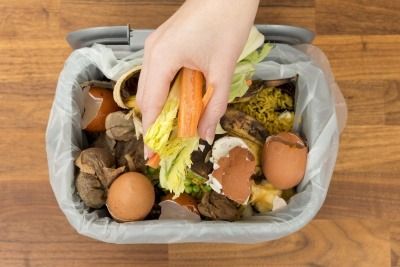
The Own Your Impact campaign launched mid-May, with the first phase focusing on food waste reduction – highlighting the personal savings of nearly £750 per household per year that can be made, as well as the associated environmental benefits. The campaign is also set to look at recycling, specifically the contamination of dry mixed recycling (DMR).
Residents are being urged to make small behavioural changes, such as planning meals and food shopping in advance, storing food correctly, and serving the right portion sizes, to collectively make a difference. They are being directed to SEP’s website, where they can find information, advice, leftover recipes, and more.
The campaign will run until March 2023, using artwork, videos, and animations across outdoor, print, and radio advertising, social media, and Google ad platforms.
Surrey Environment Partnership Chair, Neil Dallen, said: “From greenhouse gases created from wasted food to truckloads of good recycling sent to energy from waste due to contamination, the waste we produce and what we do with it can, collectively, make a big difference to the environment.
“That’s why I’ll be asking residents to visit the SEP website this year to find out how they can own their impact.”
This follows several successful targeted intervention trials to increase household participation in food waste collection services, with one trial seeing a 61.9 per cent increase in the number of caddies put out for collection.
The trial, which took place in Woking, used in-cab data to identify 2,985 households that presented a food waste bin for collection six times or less over a 12-week period. A range of communications formats was sent to the selected household, including letters, bin stickers and hangers, and postcards.
Stickers attached to rubbish bins and postcards with a message, the SEP reported, were the most effective communication methods, yielding a 348.7 per cent increase in food waste bins put out for collection.


Get our weekly digest
resource.co article ai

How will the government and DMOs address the challenges of including glass in DRS while ensuring a level playing field across the UK?
There's no easy solution to include glass in the DRS while maintaining a level playing field. Potential approaches include a phased introduction of glass, potentially with higher deposits to reflect its logistical challenges. The government and DMOs could incentivise innovation in glass packaging design and subsidise dedicated return points for glass-handling. Exemptions for smaller businesses unable to handle glass might also be necessary. Any successful solution will likely blend several approaches. It must address the differing priorities of devolved administrations, balance environmental benefits with logistical and cost implications, and be supported by robust consumer education campaigns emphasizing the importance of glass recycling.