

Leafield Environmental, an award-winning manufacturer of recycling and litter bins, is proud to be part of a new national soft plastics collection scheme and to fully support the UK Plastics Pact members’ commitment for all plastic packaging sold by supermarkets to be recyclable by 2025.
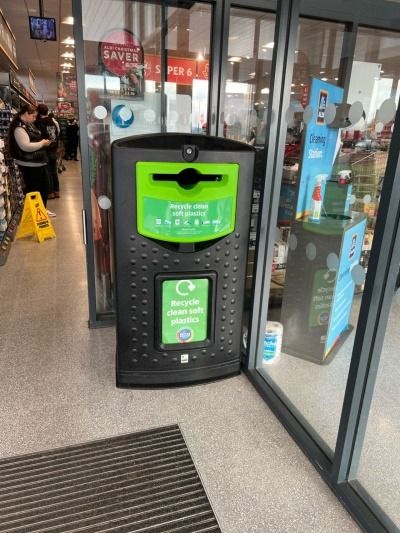
According to WRAP, while plastic bags and wrapping make up around a fifth of consumer plastic packaging, only six per cent is recycled.
Philip Maddox, Managing Director at Leafield Environmental said: “Last year, we had the opportunity to work in partnership with a leading supermarket chain that used our Envirobank recycling bin to trial their new in-store soft plastics recycling scheme.
“Following the successful trial and increased consumer demand, more schemes have been rolled out over the last few months across the UK.”
Philip Maddox continues: “This new nationwide recycling scheme is a critical step towards increasing the recycling rate of plastic bags and wrapping by consumers while doing their weekly shop. In addition, we have been working with Stockton-on-Tees Borough Council on their new soft plastics recycling scheme using our Envirobin Maxi recycling bins at libraries to collect soft plastics across the Borough.”
Leafield designs and manufactures its recycling and litter bins in-house, and can offer personalised bespoke labelling and bins in corporate colours.


Get our weekly digest
resource.co article ai

How will the government and DMOs address the challenges of including glass in DRS while ensuring a level playing field across the UK?
There's no easy solution to include glass in the DRS while maintaining a level playing field. Potential approaches include a phased introduction of glass, potentially with higher deposits to reflect its logistical challenges. The government and DMOs could incentivise innovation in glass packaging design and subsidise dedicated return points for glass-handling. Exemptions for smaller businesses unable to handle glass might also be necessary. Any successful solution will likely blend several approaches. It must address the differing priorities of devolved administrations, balance environmental benefits with logistical and cost implications, and be supported by robust consumer education campaigns emphasizing the importance of glass recycling.