

SUEZ Recycling and Recovery (SUEZ) has announced its 30-year anniversary of working with Doncaster Council, during which time it has collected 45,000 tonnes of recyclate (card, paper, glass, metal, plastic bottles and organics) from residents.
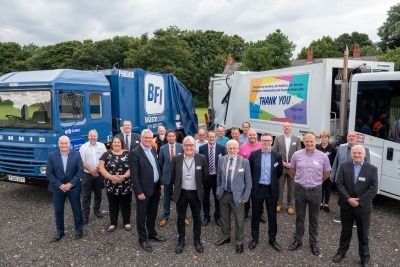
To mark the occasion, CEO John Scanlon returned to Doncaster last month to celebrate with colleagues and members of Doncaster Council.
The company now claims to be moving towards a more circular approach to waste.John Scanlon, CEO of SUEZ, said: “The contract has evolved so much in its thirty-year history. In 1991, the vast majority of waste was sent to landfill and now we recycle a huge range of materials from the kerbside.
“This is the contract I cut my teeth on when I first started at SUEZ 30 years ago, so today is particularly poignant for me personally.
John added: “We pride ourselves on being part of the Doncaster community. We have created over 180 local jobs and in 2019 we set up the Doncaster Environment Fund, awarding thousands of pounds to local good causes.”
SUEZ has been involved in reforming Doncaster’s collection routes and recycling systems from the beginning of the collaboration. The contract has been renewed four times, most recently in 2018 with the introduction of a new blue recycling bin to collect plastic bottles, paper, cans, and card, with glass and small electrical items also collected from the kerbside.
Damian Allen, Chief Executive of Doncaster Council, said: “We work hard to ensure that Doncaster is as green and sustainable as it possibly can be, and the partnership between SUEZ and the council is integral in achieving that.
“In recent months, SUEZ and Doncaster Council have worked closely together to overcome the challenges of the pandemic and to provide the best possible service for local residents.”


Get our weekly digest
resource.co article ai

How will the government and DMOs address the challenges of including glass in DRS while ensuring a level playing field across the UK?
There's no easy solution to include glass in the DRS while maintaining a level playing field. Potential approaches include a phased introduction of glass, potentially with higher deposits to reflect its logistical challenges. The government and DMOs could incentivise innovation in glass packaging design and subsidise dedicated return points for glass-handling. Exemptions for smaller businesses unable to handle glass might also be necessary. Any successful solution will likely blend several approaches. It must address the differing priorities of devolved administrations, balance environmental benefits with logistical and cost implications, and be supported by robust consumer education campaigns emphasizing the importance of glass recycling.