

A trend in waste trailer crime has emerged in Scotland, reports The Scottish Environment Protection Agency (SEPA), after seven full trailers of waste were left abandoned across North Lanarkshire over the past few months.
Investigations into the illegal disposals are ongoing, with an aim to establish and prosecute those responsible for the discarded trailers.
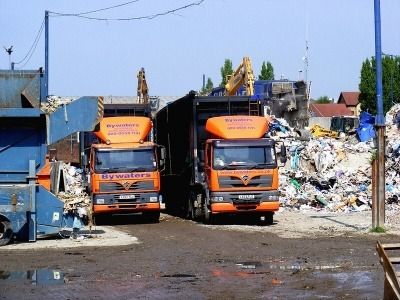
A similar trend has been observed in England, with there being a growing number of instances in which waste has been placed into trailers and abandoned within recent months.
SEPA has been working alongside the Joint Unit for Waste Crime and the Serious Organised Crime Taskforce to monitor the trend’s growth across the UK, with the increased quantity of trailers materialising within Scotland’s borders implying there could potentially be a new disposal route for waste criminals through the country’s central belt.
In response to this growing trend, SEPA has produced a targeted response to environmental crime that has a direct impact on both local communities and the environment. Over 25 illegal sites and activities have been apprehended since the beginning of the year, due to these efforts.
Tackling waste criminals and their operations
With investigations into the crimes ongoing, SEPA is urging anyone who may recognise the vehicles harbouring the illegal waste to get in contact.
Vigilance is being asked of local communities, with SEPA issuing a request for members of the public to report any suspicious-looking trailers left in secluded areas as soon as they have been witnessed. When alerted early, SEPA and the local authorities have a better opportunity to step in and take action, as evidence is more likely to be obtained.
SEPA has also reminded landowners to be alert to the risk of their property and premises being exploited as illegal waste sites. Similarly, vehicle owners should also be aware of the risk of theft.
Beyond reporting activity, SEPA is urging members of the public to tackle waste crime by declining the services of unauthorised waste collectors.
SEPA additionally wants to remind those who have committed acts of waste crime that illegal refuse disposal and fly-tipping are serious offences with ‘significant consequences’ and that those caught offending risk criminal conviction, being landed with a fine of up to £40,000, and potential sentencing.
The economic toll
Illegal waste disposal of all forms, including trailer abandonment, puts the Scottish public purse down by approximately £53 million due to clean up costs, according to research conducted by Zero Waste Scotland in 2013. In this specific instance of waste crime, vehicles and landowners who have been targeted by flytippers may also end up incurring waste removal and disposal charges.
Jennifer Shearer, SEPA Head of Enforcement, said: “This type of crime has a real impact on local communities, legitimate business and the public agencies who are working to tackle it. A high proportion of individuals or companies that are involved in waste crime are also associated with other criminalities and sadly this activity has continued during the pandemic. Waste crime can cause serious pollution.
“It puts communities at risk and places further stress on legitimate operators. It also impacts investment and economic growth - serious and organised waste crime is estimated to cost the UK economy at least £600 million a year.
“We know that criminals are inventive and will find new ways to break the law and make money – but Scotland’s enforcement agencies are inventive too and we are working together, alongside others across the UK, to make sure we find them and we stop them. We will continue to work closely with partners, often through joint initiatives such as the Joint Unit for Waste Crime, to ensure we can maximise our collaborative efforts to have the greatest impact, and ultimately stop this type of highly adaptive and lucrative waste crime.”
Robert Steenson, DETER Strand Lead with Scotland’s Serious Organised Crime Taskforce and Executive Director of North Lanarkshire Council, said: “This type of illegal dumping not only costs the taxpayers’ huge sums of money to clear up, but poses a serious hazard to the environment and our communities. These poorly maintained trailers are also being driven on public roads before being dumped and therefore create a dangerous risk to other road users.
“Those responsible have absolutely no respect for people living in the areas these trailers are being dumped and I would urge anyone with any information to contact SEPA or Police Scotland immediately. This type of waste crime has unfortunately become more widespread across the country and is often linked to organised crime groups who use it as a means to make money to fund their other criminal activities. It undermines legitimate disposal businesses and poses a very serious risk to public safety.
“We are working with our partners to safely clear this dumped waste and we will use all the powers at our disposal to identify those responsible.”
Keith Brown, Cabinet Secretary for Justice and Veterans and Chair of the SOC Taskforce, said: “Those involved in fly-tipping and other waste crimes will exploit any opportunity to maximise their wealth at the expense of everyone else. This is not a victimless crime and causes significant problems to the public, legitimate businesses and the landowners where the waste is abandoned.
“Partners on the Serious Organised Crime Taskforce will use every means at their disposal to disrupt this crime, but we need the help of the public. Everyone needs to ensure their waste is properly and legally disposed of and we are also urging members of the public who see evidence of these crimes to report it.
“If you see something, say something.”


Get our weekly digest
resource.co article ai

How will the government and DMOs address the challenges of including glass in DRS while ensuring a level playing field across the UK?
There's no easy solution to include glass in the DRS while maintaining a level playing field. Potential approaches include a phased introduction of glass, potentially with higher deposits to reflect its logistical challenges. The government and DMOs could incentivise innovation in glass packaging design and subsidise dedicated return points for glass-handling. Exemptions for smaller businesses unable to handle glass might also be necessary. Any successful solution will likely blend several approaches. It must address the differing priorities of devolved administrations, balance environmental benefits with logistical and cost implications, and be supported by robust consumer education campaigns emphasizing the importance of glass recycling.