

Plans for a second beverage carton recycling plant in the Netherlands have been announced by Tetra Pak and Yellow Dreams, scheduled to open in the second half of 2025.
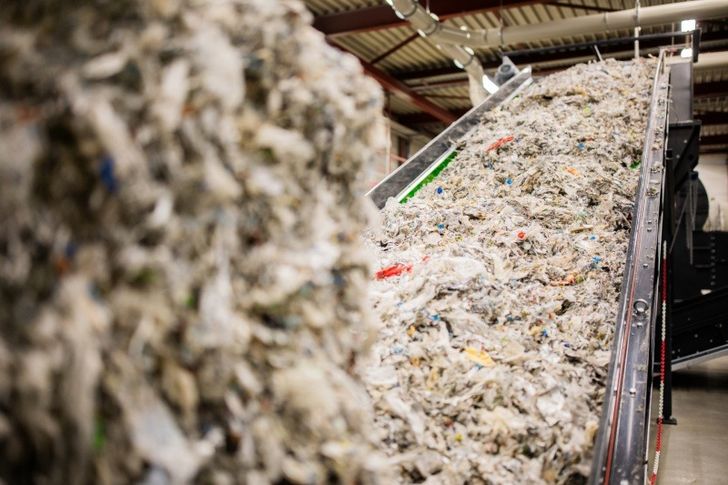
Plans for a second beverage carton recycling plant in the Netherlands have been announced by Tetra Pak and Yellow Dreams, scheduled to open in the second half of 2025.
Located in Ittervoort, the new plant will have the capacity to process 20,000 tonnes of waste annually. This output will cover the entire volume of polyAI, the non-fibre component of beverage cartons, recycled in Belgium and the Netherlands, as well as a portion of Germany’s recycling needs.
The recycled polymers and aluminium from the facility will serve as substitutes for virgin plastics or other recycled materials in various manufacturing applications. These include injection moulding, extrusion, and thermo-forming processes, enabling the production of items like pallets, crates, outdoor furniture, flower pots, and tiles.
Bas Gehlen, Managing Director at Yellow Dreams, commented on the partnership: “The joint endeavour of Yellow Dreams and Tetra Pak not only showcases the potential of polyAl recycling but also sets a remarkable example of the value of collaboration towards building a circular system.”
The project is supported by a joint investment of approximately €3 million, and will utilise the polyAl recycling technology currently used at Tetra Pak and Recon Polymer’s commercial plant in Roosendaal, which has been operational since 2021.
Kinga Sieradzon, Vice President of Collection & Recycling at Tetra Pak, added: “This is another milestone in our collaborative journey with all stakeholders across the value chain, to drive collection, sorting, and recycling. Our ongoing investments, up to €40 million each year globally, reflect our commitment to advancing beverage carton recycling and supporting sustainable practices.”
Once operational, the Ittervoort facility will join the EU’s existing beverage carton recycling network, which currently includes 20 specialised paper mills and 10 polyAl processing facilities.


Get our weekly digest
resource.co article ai

How will the government and DMOs address the challenges of including glass in DRS while ensuring a level playing field across the UK?
There's no easy solution to include glass in the DRS while maintaining a level playing field. Potential approaches include a phased introduction of glass, potentially with higher deposits to reflect its logistical challenges. The government and DMOs could incentivise innovation in glass packaging design and subsidise dedicated return points for glass-handling. Exemptions for smaller businesses unable to handle glass might also be necessary. Any successful solution will likely blend several approaches. It must address the differing priorities of devolved administrations, balance environmental benefits with logistical and cost implications, and be supported by robust consumer education campaigns emphasizing the importance of glass recycling.