

Coalition calls on Scottish Government to "put people and nature before profit" as consultation on draft circular economy strategy closes.
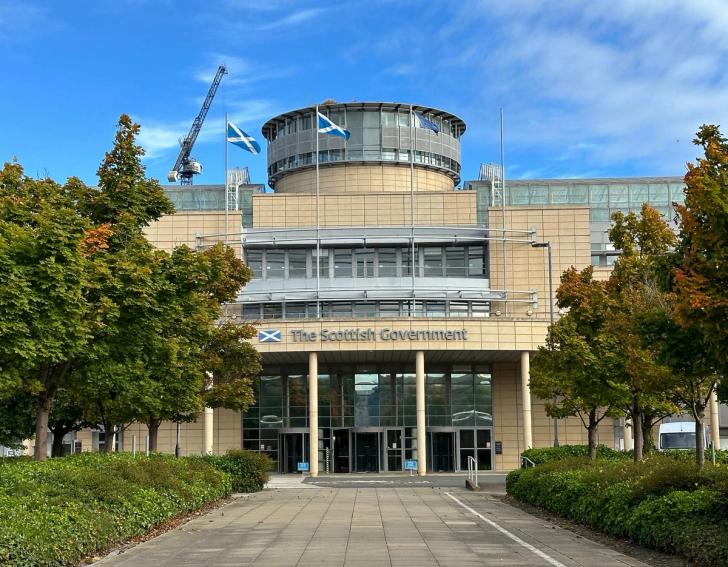
A coalition of 30 civil society groups and environmental campaigners has called on the Scottish Government to "put people and nature before profit" in its draft circular economy strategy, warning that the current proposals represent a "wasted opportunity" for Scotland.
The groups, including Friends of the Earth Scotland, Circular Communities Scotland, Keep Scotland Beautiful and the Marine Conservation Society, have written to Cabinet Secretary for Climate Action Gillian Martin as the 12-week public consultation closes today (13 January). The letter states that Scotland's material footprint is "more than double sustainable limits" and that over 80 per cent of the nation's carbon footprint relates to consumption.
The signatories state that Scotland is missing economic opportunities by failing to invest in circular infrastructure. The letter cites analysis suggesting that preventing 10,000 tonnes of waste from incineration would create 386 jobs in circular businesses while displacing just one incineration job. It also argues that Scotland exports all its scrap steel for recycling, but a domestic steel recycling plant could create 650 jobs and contribute £400 million to the economy.
Kim Pratt, Senior Circular Economy Campaigner at Friends of the Earth Scotland, said: "The Scottish Government's proposed circular economy strategy risks being a costly wasted opportunity for Scotland. Ending the throwaway society is a huge opportunity to improve people's lives, save councils money and protect nature. As it stands, this strategy is too weak to make the things we buy cost less and it won't cut waste, pollution or carbon emissions."
Absence of plastic
The coalition's letter criticises the draft strategy for omitting any mention of plastic, despite evidence cited in the letter that global plastic production is projected to double by 2040. The groups are calling for plastic, chemicals and electrical products to be added as new priority areas in the strategy, alongside measures for extended producer responsibility rather than the proposed product stewardship approach.
Pratt added: "The strategy does not mention plastic once. There are no delivery plans to reduce the one million tonnes of food waste thrown away in Scotland every year. It does not hold businesses to account for selling wasteful and harmful products and leaving the cost of cleanup to others."
Laura Anderson, an environmental scientist and campaigner who is among the letter's signatories, said the strategy "avoids confronting one of the biggest drivers of waste and pollution: the continued growth in plastic production."
She added: "A credible circular economy cannot be built while the tap remains fully open on single-use plastics. The draft plan fails to set any meaningful commitment to cut plastic at source, and that is a serious missed opportunity."
Reuse and repair concerns
Michael Cook, CEO of Circular Communities Scotland, which represents community-based reuse organisations, welcomed the engagement of a consultation but raised concerns about support for services at the top of the waste hierarchy.
"There is a lack of detail here and Circular Communities Scotland will continue to call for much more meaningful support for activities at the very top of the waste hierarchy, such as reuse and repair services," Cook commented. "Without significant investment in these services, we will not see the circular behaviour changes that our sector and Scotland demands."
The letter says that asking individuals to change behaviour is "unfair and ineffective" when "it is the system itself which is broken," and calls for investment in reuse to be a priority policy mechanism.
The draft strategy, published in October 2025, identifies five priority sectors for action: the built environment, net zero energy infrastructure, textiles, transport, and the food system. It follows the Circular Economy (Scotland) Act 2024, which requires Scottish ministers to prepare a circular economy strategy, and the Circular Economy and Waste Route Map to 2030 published in December 2024.
According to Friends of the Earth Scotland, more than 1,100 members of the public have emailed the Scottish Government to share concerns about the strategy. The organisation also states that international experts wrote to the government in December 2025 highlighting the need for the strategy to address human rights and environmental abuses in supply chains. The Scottish Government is expected to publish the final version of the strategy later in 2026.


Get our weekly digest
resource.co article ai

How will the government and DMOs address the challenges of including glass in DRS while ensuring a level playing field across the UK?
There's no easy solution to include glass in the DRS while maintaining a level playing field. Potential approaches include a phased introduction of glass, potentially with higher deposits to reflect its logistical challenges. The government and DMOs could incentivise innovation in glass packaging design and subsidise dedicated return points for glass-handling. Exemptions for smaller businesses unable to handle glass might also be necessary. Any successful solution will likely blend several approaches. It must address the differing priorities of devolved administrations, balance environmental benefits with logistical and cost implications, and be supported by robust consumer education campaigns emphasizing the importance of glass recycling.